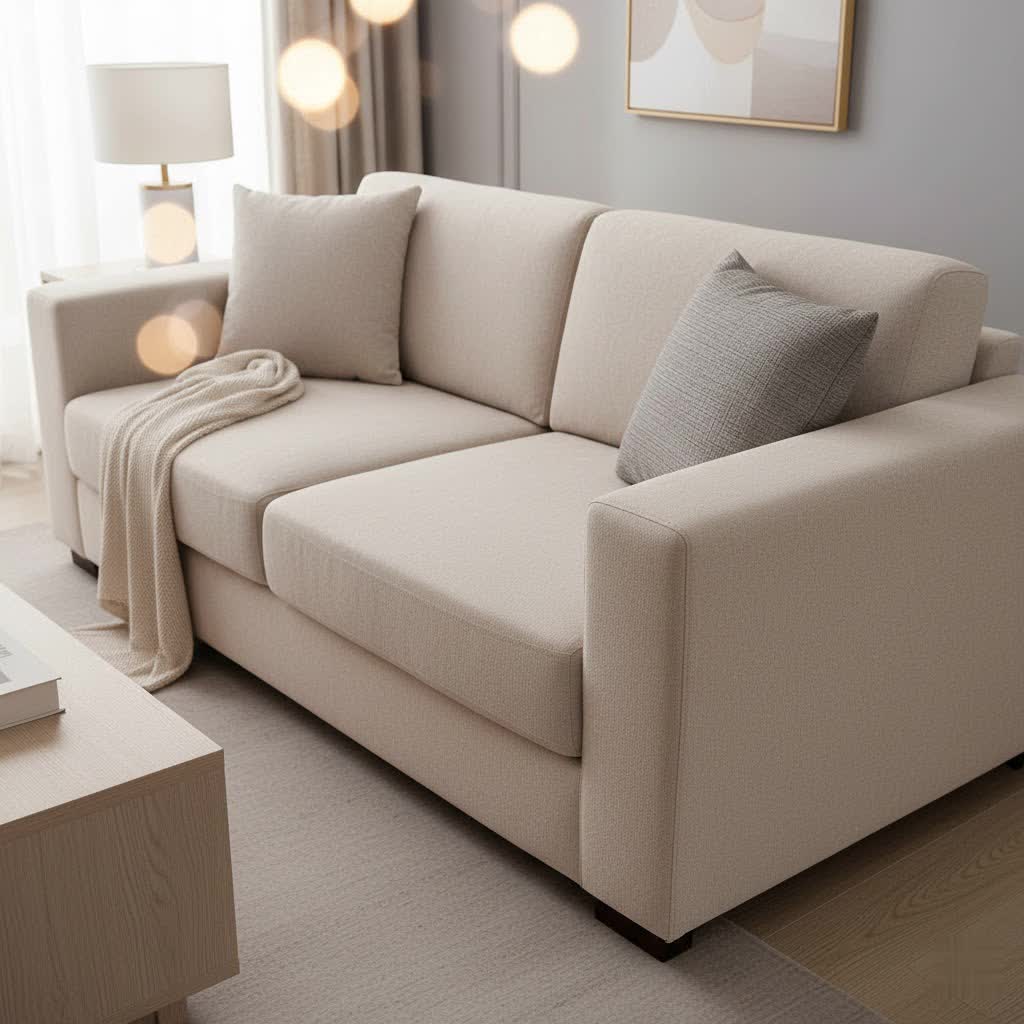
Small sofas are the unsung heroes of compact living spaces, offering comfort and style without overwhelming a room. However, they’re just as susceptible to daily wear, spills, pet antics, and the inevitable fading that comes with time. Rather than replacing your beloved small couch or living with its imperfections, a small sofa cover offers a brilliant, budget-friendly solution. These covers provide a protective shield, effortlessly refresh your decor, and simplify maintenance, transforming your space with minimal effort and expense.
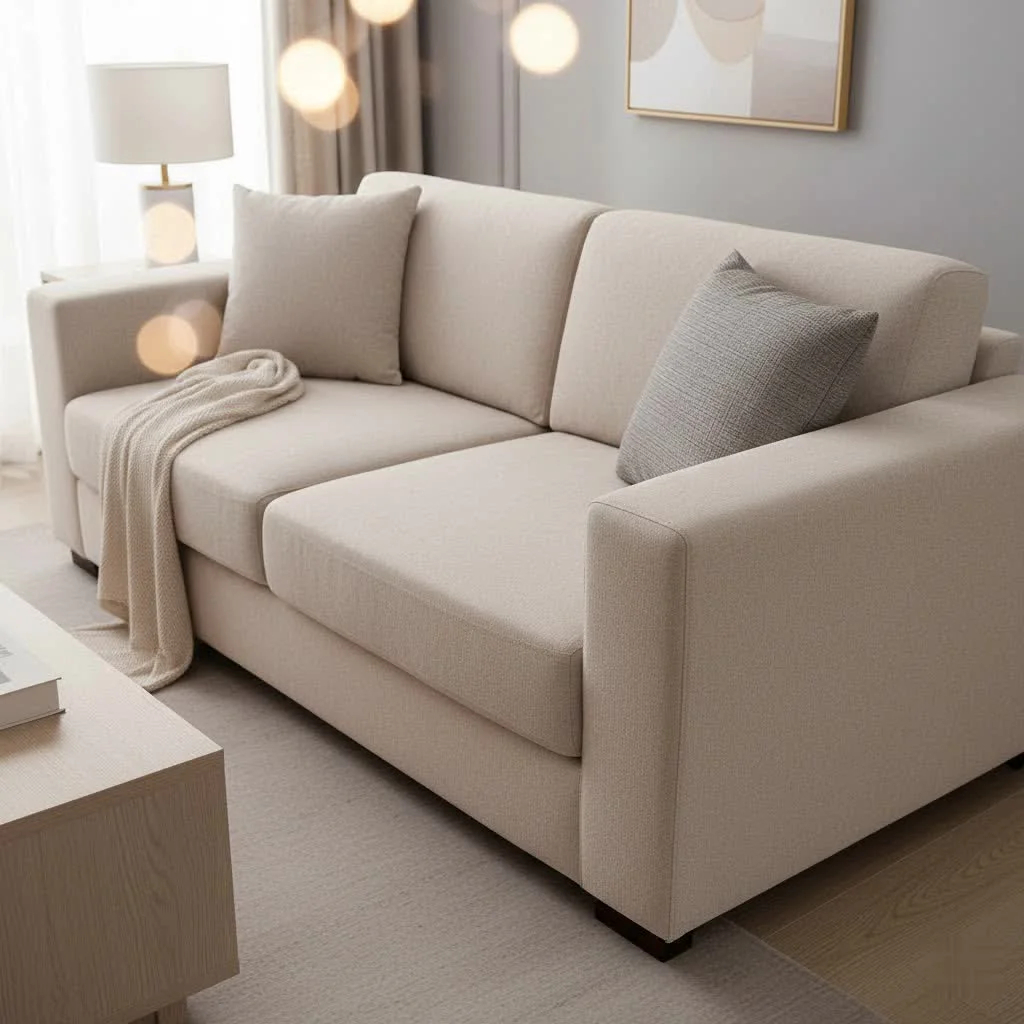
What is a Sofa Cover and Why Do You Need One for Your Small Sofa?
A sofa cover, often referred to as a slipcover, is a removable fabric covering designed to protect and beautify your existing furniture. For smaller sofas, these covers are specifically tailored to fit compact dimensions, including loveseats, apartment sofas, and small sectionals. They offer an array of practical and aesthetic advantages that make them an indispensable addition to any home with a small couch.
The primary reason to invest in a small sofa cover is protection. These covers act as a barrier against common household hazards like accidental spills, pet hair, dirt, and general wear and tear, helping to preserve your sofa’s original upholstery. They also shield the fabric from direct sunlight, preventing premature fading and keeping your sofa looking new for longer.
Beyond protection, sofa covers offer an incredible aesthetic upgrade. Perhaps your current small sofa’s fabric is dated, stained, or simply doesn’t match your evolving interior design. A cover can instantly revitalize its appearance, giving your entire room a mini-makeover without the commitment or cost of buying new furniture. With countless colors, patterns, and textures available, you can easily adapt your sofa to seasonal trends or a new decor theme.
Finally, sofa covers significantly improve ease of maintenance. Most small sofa covers are designed to be removable and machine washable, making cleanup a breeze. Gone are the days of tedious spot cleaning or expensive professional upholstery cleaning services. Simply slip off the cover, toss it in the washing machine, and your sofa is fresh and clean once again. Without a cover, your small sofa is vulnerable to permanent stains, tears, and a tired appearance, limiting your decor flexibility and adding stress to routine cleaning.
Popular Types of Small Sofa Covers on the Market
Choosing the right small sofa cover involves understanding the various materials and styles available, each offering unique benefits to match different lifestyles and aesthetic preferences.
Classified by Material
|
Our Picks for the Best Sofa Cover in 2026
As an Amazon Associate I earn from qualifying purchases.
|
||
| Num | Product | Action |
|---|---|---|
| 1 | Easy-Going Reversible Couch Cover for 3 Cushion Couch Sofa Cover for Dogs Water Resistant Furniture Protector Cover with Foam Sticks Elastic Straps for Pet Cat (Sofa, Black/Beige) |

|
| 2 | Easy-Going Reversible Couch Cover for 3 Cushion Couch Sofa Cover for Dogs Water Resistant Furniture Protector Cover with Foam Sticks Elastic Straps for Pet Cat (Sofa, Army Green/Beige) |
|
| 3 | Easy-Going Stretch Sofa Slipcover 1-Piece Sofa Cover Furniture Protector Couch Soft with Elastic Bottom for Kids, Polyester Spandex Jacquard Fabric Small Checks (Sofa, Dark Gray) |
|
| 4 | Easy-Going Stretch Sofa Slipcover 1-Piece Sofa Cover Furniture Protector Couch Soft with Elastic Bottom for Kids, Polyester Spandex Jacquard Fabric Small Checks (Sofa, ASH Rose) |
|
| 5 | Easy-Going Stretch Sofa Slipcover 1-Piece Sofa Cover Furniture Protector Couch Soft with Elastic Bottom for Kids, Polyester Spandex Jacquard Fabric Small Checks (Sofa, Beige) |
|
| 6 | Easy-Going Reversible Couch Cover for 3 Cushion Couch Sofa Cover for Dogs Water Resistant Furniture Protector Cover with Foam Sticks Elastic Straps for Pet Cat (Sofa, Beige/Beige) |
|
| 7 | Easy-Going Stretch Sofa Slipcover 1-Piece Sofa Cover Furniture Protector Couch Soft with Elastic Bottom for Kids, Polyester Spandex Jacquard Fabric Small Checks (Sofa, Bluestone) |
|
| 8 | Easy-Going Stretch Sofa Slipcover 1-Piece Sofa Cover Furniture Protector Couch Soft with Elastic Bottom for Kids, Polyester Spandex Jacquard Fabric Small Checks (Sofa, Black) |
|
| 9 | Easy-Going Stretch Sofa Slipcover 1-Piece Sofa Cover Furniture Protector Couch Soft with Elastic Bottom for Kids, Polyester Spandex Jacquard Fabric Small Checks (Sofa, Brown) |
|
| 10 | Easy-Going Reversible Couch Cover for 3 Cushion Couch Sofa Cover for Dogs Water Resistant Furniture Protector Cover with Foam Sticks Elastic Straps for Pet Cat (Sofa, Gray/Light Gray) |
|
The fabric of your small sofa cover dictates its durability, feel, and how well it will withstand daily use.
- Cotton: A natural fiber prized for its breathability, softness, and versatility. Cotton covers are generally machine washable and provide a comfortable, inviting feel. However, untreated cotton can be absorbent, making it susceptible to stains, though many options are now treated for improved resistance. Canvas and denim, both sturdy forms of cotton, are excellent for moderate to everyday use, with fabric weights between 10oz and 14oz offering good durability.
- Polyester/Microfiber: These synthetic materials are champions of durability and stain resistance. Polyester and microfiber covers are ideal for homes with pets or children due to their robust nature and ability to repel liquids. They often incorporate stretch for a better fit and are easy to clean, although they might attract oil-based soils if not treated. Their tightly woven structure also makes them snag-resistant.
- Velvet/Chenille: If luxury and coziness are your priorities, velvet and chenille covers deliver. These materials offer a soft, rich texture that can instantly elevate your small sofa’s look. Modern velvet and chenille covers, especially those made from synthetic blends with stretch, are surprisingly durable and can be treated for stain resistance, combining elegance with practicality.
- Linen: Known for its elegant, relaxed drape and natural texture, linen brings a sophisticated yet casual charm to a small sofa. It’s highly breathable but tends to wrinkle easily and may require more careful maintenance compared to synthetic options.
- Blends: Many sofa covers utilize fabric blends, such as polyester-cotton, to combine the best attributes of different fibers. These blends often provide a good balance of stretch, durability, comfort, and ease of care, making them a popular choice for all-around performance.
It’s generally wise to steer clear of loosely knitted covers, as they can snag easily and appear worn quickly. Similarly, very thin, cheap synthetic fabrics often lack the durability and aesthetic appeal for a lasting solution.
Classified by Style
Beyond material, the style of the cover determines how it fits and looks on your small sofa.
- Fitted/Stretch Slipcovers: These covers are designed to hug the contours of your small sofa snugly, creating a tailored, custom-upholstered look. Often made with elasticized materials like spandex or elastane blends, they stretch to fit various sofa shapes and sizes, minimizing wrinkles and slippage. This style is excellent for achieving a clean, modern aesthetic.
- Loose-fit Slipcovers/Throws: Offering a more relaxed and casual appearance, loose-fit slipcovers or simple throws drape over the sofa. They are typically easier to put on and remove and can be a good option for a laid-back vibe. However, they may require more frequent tucking and adjustment to stay in place.
- Individual Cushion Covers: Some sofa cover systems include separate covers for the seat and back cushions, allowing for a more integrated and custom-like appearance. This style can be particularly effective for maintaining the original definition of your sofa’s cushions.
- Modular/Sectional Covers: For small L-shaped or modular sofas, specific covers are designed to fit each section independently. This often means purchasing two or more separate covers to accommodate the unique configuration of your sectional, ensuring full coverage and a cohesive look.
Comparison Table of Small Sofa Cover Types
| Feature / Type | Cotton | Polyester/Microfiber | Velvet/Chenille | Fitted/Stretch Slipcover | Loose-fit Slipcover/Throw |
|---|---|---|---|---|---|
| Price Range | Moderate | Low to Moderate | Moderate to High | Moderate | Low to Moderate |
| Durability | Good (especially duck/canvas) | Excellent (high traffic, pets) | Good (especially blends) | Good (depends on material) | Moderate |
| Aesthetic | Natural, casual | Modern, clean | Luxurious, cozy | Tailored, sleek | Relaxed, informal |
| Ease of Cleaning | Machine washable | Machine washable, spot cleanable | Spot clean, some machine washable | Machine washable (most) | Machine washable (most) |
| Stain Resistance | Moderate (can absorb) | High (repels liquid) | Moderate to High (blends) | Varies by material | Varies by material |
| Best For | Everyday use, natural decor | High-traffic, pets, kids, modern look | Elegant spaces, comfort | Custom look, secure fit | Easy changes, casual style |
Buying Guide: How to Choose the Right Small Sofa Cover
Selecting the perfect small sofa cover can seem daunting, but by following a few key steps, you can ensure a fit that’s both functional and fashionable.
Accurate Sofa Measurement is Key
The most critical step in buying a small sofa cover is accurately measuring your sofa. A well-fitting cover looks tidy and performs its job effectively, while a poorly fitting one can be frustrating and unsightly.
- Prepare Your Sofa: Remove all existing cushions, pillows, and throws from your sofa. This ensures you’re measuring the core structure.
- Total Width: This is the most vital measurement. Measure from the outermost edge of the left armrest to the outermost edge of the right armrest. Keep the tape measure taut and straight across the widest point.
- Total Depth: Measure from the very front edge of your seat cushions to the very back of the sofa’s backrest.
- Total Height: Measure from the floor up to the very top of the sofa’s backrest.
- Armrest Measurements: For specific arm covers or highly tailored slipcovers, measure the width of one arm diagonally and its depth from front to back.
- Seat Measurements: Measure the width of the seating area between the armrests and the depth of the seat from its front edge to the backrest.
- Special Considerations:
- L-shaped or Sectional Sofas: These typically require two or more separate covers. Measure each section independently (e.g., Section A and Section B, including armrests).
- Borderline Measurements: If your sofa’s measurements are close to the upper limit of a size range, it’s generally safer to size up. Excess fabric can often be tucked in for a neater fit, whereas a cover that is too small will simply not fit or will constantly slip off.
Always compare your measurements carefully with the sofa cover’s size chart before purchasing.
Matching Material & Style to Your Needs
Once you have your measurements, consider your lifestyle and aesthetic preferences to narrow down your material and style choices.
- Budget: Sofa covers offer a wide price range. While custom slipcovers can be costly, ready-made options are significantly more affordable than reupholstering. Generally, covers under $400 might be less durable, so balance cost with expected lifespan and quality.
- Lifestyle (Pets & Kids): If your small sofa sees heavy use from pets or children, prioritize durable, snag-resistant, and easily washable materials. Polyester, microfiber, and treated cotton or canvas are excellent choices. Look for water-resistant properties to protect against spills.
- Aesthetics: Consider your existing interior design. Velvet adds a touch of luxury, linen offers a relaxed farmhouse vibe, and stretch-fit covers provide a sleek, modern look. Think about how the texture and color will complement your room.
- Frequency of Use: For daily use, opt for materials with higher durability ratings, such as heavier weight cotton blends or performance synthetics.
- Comfort: If softness is key, chenille, velvet, or natural cotton materials are often preferred.
Trusted Brands and Suppliers
Many online retailers and home goods stores offer a vast selection of small sofa covers. Look for brands with positive customer reviews and clear sizing guides. While specific brand recommendations can vary, well-regarded names often focus on quality materials, good stitching, and a range of size options. If you have a popular sofa model from manufacturers like IKEA or Pottery Barn, you might find specialized online brands offering custom-like fits. Always check return policies, especially if you’re unsure about the fit or material.
Care and Maintenance for Your Small Sofa Cover
Proper care will significantly extend the life and appearance of your small sofa cover, keeping your living space looking fresh and inviting.
Cleaning Your Sofa Cover at Home
Most modern sofa covers are designed for easy home maintenance, but it’s crucial to follow specific guidelines.
- Always Check the Care Label: This is the golden rule. Manufacturer instructions provide the best guidance for your specific cover’s material.
- Spot Cleaning for Minor Spills: Address spills immediately. Blot the affected area with a clean cloth, and use a mild fabric cleaner or a mixture of gentle soap and water. Avoid rubbing, as this can spread the stain.
- Machine Washing: For a deeper clean, most covers can be machine washed. Use cold water and a gentle cycle to prevent shrinking, color fading, or damage to elastic fibers. Always use a mild detergent.
- Drying: Air drying is often recommended to preserve fabric integrity and prevent shrinking, especially for stretch-fit covers. If using a dryer, opt for a low-heat or air-fluff setting.
- Chemicals: Be cautious with harsh bleaching agents or strong chemical cleaners, as they can damage certain fabrics or cause discoloration.
Tips for Extending Sofa Cover Lifespan
Beyond regular cleaning, a few habits can help your small sofa cover last longer.
- Regular Adjustment: For loose-fit covers, regularly tuck and smooth out the fabric to prevent undue strain on certain areas and maintain a tidy appearance.
- Rotate if Possible: If you have multiple covers or if one side of your sofa experiences more wear, rotating or adjusting the cover can help distribute stress evenly.
- Protect from Direct Sunlight: Prolonged exposure to harsh sunlight can cause colors to fade. If your sofa is near a window, consider using blinds or curtains during peak sun hours.
- Proper Storage: If you change covers seasonally, ensure the stored cover is clean and completely dry before folding and placing it in a breathable storage bag or container in a cool, dry place.
Top Small Sofa Covers You’ll Love
When it comes to small sofa covers, the “best” often comes down to a balance of fit, fabric performance, and aesthetic appeal. Here are key features to look for in highly-rated options:
- High-Stretch Fabrics: Covers made with a significant percentage of spandex or elastane blends are consistently popular. They offer a secure, wrinkle-free fit that closely mimics custom upholstery, making your small sofa look effortlessly polished. These are ideal for a modern, sleek transformation.
- Water-Resistant & Pet-Friendly Designs: For active households, covers treated for water resistance or made from tightly woven, durable materials like microfiber or performance polyester are top contenders. These protect against spills and are often easy to vacuum, making pet hair and minor accidents less of a concern.
- Natural Texture & Breathability: If comfort and a natural aesthetic are paramount, look for covers made from quality cotton, linen blends, or textured chenille. These options provide a softer feel and allow for better airflow, creating a more inviting seating experience, particularly in warmer climates.
- Variety of Colors and Patterns: The most loved small sofa covers come in an extensive palette of colors and designs, from classic neutrals and subtle textures to vibrant hues and bold patterns. This ensures you can easily find a cover that perfectly complements your existing decor or creates a fresh new focal point in your room.
Look for features like elasticized bottoms, anti-slip foam rods, or ties to help the cover stay securely in place, minimizing the need for constant readjustment.
Conclusion
Choosing the right small sofa cover is a smart investment that brings a wealth of benefits, from safeguarding your furniture against daily wear and tear to providing an instant, stylish refresh for your living space. By carefully considering your sofa’s measurements, your lifestyle needs, and your aesthetic preferences, you can find a cover that offers both impeccable protection and a significant upgrade in appearance. With the convenience of easy cleaning and a vast array of materials and styles, a small sofa cover empowers you to maintain a beautiful, functional, and ever-evolving home environment.
What vibrant new style will you choose to redefine your small living space today?
Frequently Asked Questions
How often should I wash my small sofa cover?
The frequency of washing depends on usage. For homes with pets, children, or high traffic, it’s recommended to wash your small sofa cover every few weeks or whenever it becomes visibly dirty or stained, always adhering to the manufacturer’s care instructions.
Can I use a small sofa cover on any type of sofa?
While there are covers designed for most standard small sofa styles, fitting can be tricky for uniquely shaped sofas, those with prominent or unusually shaped arms, or non-standard dimensions. Accurate measurements are crucial, and for very specific designs, custom-made covers might be the best option to ensure a perfect fit.
Are small sofa covers difficult to put on?
The ease of installation varies by style. Stretch-fit covers, particularly those made with elasticized fabrics and clear instructions, are generally designed to be easy to put on and remove, often featuring elastic hems or ties to help secure them. Loose-fit covers are also straightforward to drape over.
Is it cheaper to buy a small sofa cover than to reupholster?
Yes, purchasing a small sofa cover is significantly more cost-effective than reupholstering. Reupholstering can cost hundreds to thousands of dollars, whereas even high-quality sofa covers are typically a fraction of that price, offering a flexible and budget-friendly way to refresh your furniture.
Get our weekly buyer guide
Practical specs, not advice. Unsubscribe anytime.
