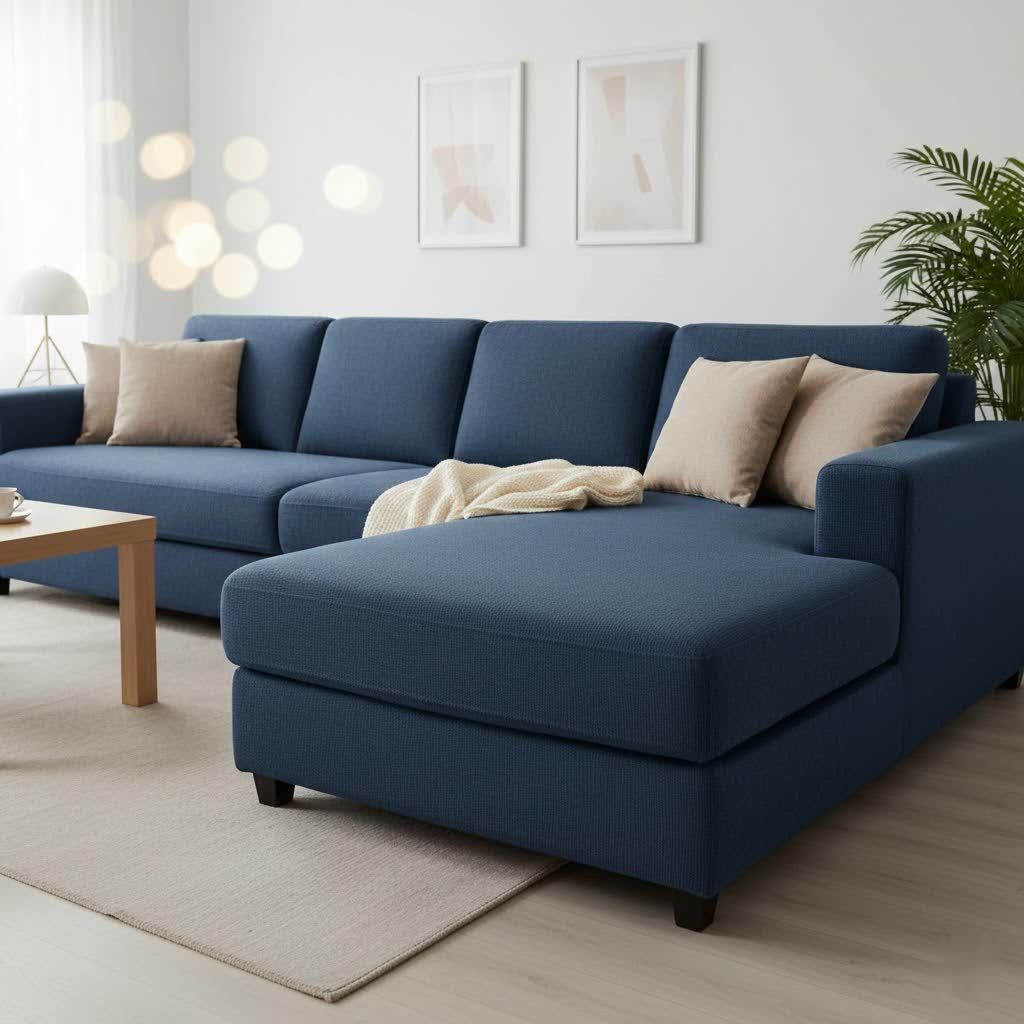
Imagine your outdoor oasis, a place of relaxation and comfort, constantly battling the elements. From scorching sun to sudden downpours, wind-whipped dust, and even the occasional unexpected guest from nature, your beautiful outdoor sofa faces a relentless assault. An outdoor sofa cover isn’t just an accessory; it’s a vital shield, preserving the life and beauty of your cherished patio furniture. This comprehensive guide will walk you through everything you need to know to choose, use, and maintain the perfect outdoor sofa cover, ensuring your outdoor living space remains inviting and protected for years to come.
What is an Outdoor Sofa Cover and Why Do You Need One?
An outdoor sofa cover is a protective barrier designed specifically to fit over your patio sofa, safeguarding it from environmental damage. Unlike indoor covers primarily focused on aesthetics or light dust protection, outdoor covers are engineered to withstand harsh weather conditions. They come in various forms, from tailored fits that hug every curve to more universal designs that offer broad coverage. For browse all sofa covers articles on this site.
The benefits of using an outdoor sofa cover are manifold. Primarily, it offers robust protection against the elements, including harmful UV rays that cause fading and material degradation, heavy rain that can lead to water damage and rust, and strong winds that can carry abrasive dust and debris. Beyond weather defense, covers also prevent the buildup of dirt, pollen, and even deter small animals from making your sofa their temporary home. This proactive protection extends the lifespan of your outdoor furniture significantly, saving you the cost and hassle of frequent replacements. Maintaining a clean, well-preserved sofa enhances the aesthetic appeal of your outdoor space, making it a more inviting area for relaxation and entertaining.
Without the protective embrace of an outdoor sofa cover, your furniture is vulnerable to numerous issues. Fabric can quickly fade and weaken under constant sun exposure. Metal frames may rust, and wood components can warp or crack due to moisture and temperature fluctuations. Mold and mildew are common culprits in humid environments, not only damaging materials but also creating unpleasant odors. Dust and dirt become ingrained, making your sofa look neglected and requiring constant, arduous cleaning. Neglecting to cover your outdoor sofa leads to premature wear and tear, diminishing its comfort, appearance, and overall value.
Types of Outdoor Sofa Covers: Materials and Styles
Choosing the right outdoor sofa cover involves understanding the different materials and styles available, each offering unique advantages and disadvantages for varying climates and needs.
By Material
|
Our Picks for the Best Sofa Cover in 2026
As an Amazon Associate I earn from qualifying purchases.
|
||
| Num | Product | Action |
|---|---|---|
| 1 | Easy-Going Reversible Couch Cover for 3 Cushion Couch Sofa Cover for Dogs Water Resistant Furniture Protector Cover with Foam Sticks Elastic Straps for Pet Cat (Sofa, Gray/Light Gray) |

|
| 2 | Easy-Going Stretch Sofa Slipcover 1-Piece Sofa Cover Furniture Protector Couch Soft with Elastic Bottom for Kids, Polyester Spandex Jacquard Fabric Small Checks (Sofa, Beige) |
|
| 3 | Easy-Going Stretch Sofa Slipcover 1-Piece Sofa Cover Furniture Protector Couch Soft with Elastic Bottom for Kids, Polyester Spandex Jacquard Fabric Small Checks (Sofa, Dark Gray) |
|
| 4 | Easy-Going Stretch Sofa Slipcover 1-Piece Sofa Cover Furniture Protector Couch Soft with Elastic Bottom for Kids, Polyester Spandex Jacquard Fabric Small Checks (Sofa, Bluestone) |
|
| 5 | Easy-Going Reversible Couch Cover for 3 Cushion Couch Sofa Cover for Dogs Water Resistant Furniture Protector Cover with Foam Sticks Elastic Straps for Pet Cat (Sofa, Beige/Beige) |
|
| 6 | Easy-Going Stretch Sofa Slipcover 1-Piece Sofa Cover Furniture Protector Couch Soft with Elastic Bottom for Kids, Polyester Spandex Jacquard Fabric Small Checks (Sofa, ASH Rose) |
|
| 7 | Easy-Going Reversible Couch Cover for 3 Cushion Couch Sofa Cover for Dogs Water Resistant Furniture Protector Cover with Foam Sticks Elastic Straps for Pet Cat (Sofa, Army Green/Beige) |
|
| 8 | Easy-Going Reversible Couch Cover for 3 Cushion Couch Sofa Cover for Dogs Water Resistant Furniture Protector Cover with Foam Sticks Elastic Straps for Pet Cat (Sofa, Black/Beige) |
|
| 9 | Easy-Going Stretch Sofa Slipcover 1-Piece Sofa Cover Furniture Protector Couch Soft with Elastic Bottom for Kids, Polyester Spandex Jacquard Fabric Small Checks (Sofa, Black) |
|
| 10 | Easy-Going Stretch Sofa Slipcover 1-Piece Sofa Cover Furniture Protector Couch Soft with Elastic Bottom for Kids, Polyester Spandex Jacquard Fabric Small Checks (Sofa, Brown) |
|
The material of your outdoor sofa cover is paramount, dictating its durability, weather resistance, and longevity.
-
Polyester: A popular choice for its strength and resilience. Often treated with PVC or polyurethane coatings, polyester covers become highly waterproof and resistant to UV rays, preventing fading. They are relatively lightweight and easy to handle, making them convenient for regular use. Polyester covers are also easy to clean, typically requiring just soap and water for maintenance. Look for higher denier counts (e.g., 600D) for increased thickness and durability, especially in harsher climates. While affordable and effective for most conditions, extreme temperatures or prolonged exposure to direct, intense sunlight without proper UV treatment can still affect its lifespan.
-
Vinyl: An economical and lightweight option known for its excellent moisture resistance and protection against rain and wind. Vinyl covers are easy to wipe clean, making maintenance straightforward. However, a significant drawback is their lack of breathability. This can trap moisture underneath, creating a breeding ground for mold and mildew, particularly in humid environments. Vinyl can also become stiff and prone to cracking in very hot or cold temperatures, reducing its long-term durability.
-
Acrylic (e.g., Sunbrella): Considered a premium option, acrylic fabrics are exceptionally durable and highly resistant to fading, mold, and mildew. Their inherent breathability is a major advantage, allowing air circulation that helps prevent condensation and moisture buildup. This makes them ideal for humid climates where mold is a concern. Acrylic covers are low-maintenance, typically requiring only a simple rinse or wipe-down to stay clean, and they maintain their vibrant color and integrity for many years, even under harsh sun. The main disadvantage is their higher price point.
-
Canvas Polyester: Valued for its robust strength and durability, offering significant protection. These covers often feature a water-resistant coating and are equipped with elastic hems for a snug fit, ensuring they remain secure even in windy conditions. However, canvas polyester tends to be heavier than other materials, which can make it more challenging to put on and remove, especially for larger sofas. The aesthetic options might also be more limited compared to other fabric types.
-
Polypropylene: A lightweight and durable material that is easy to handle, making it a convenient choice. It offers good resistance to sunlight, preventing degradation and fading over time. Many polypropylene covers incorporate built-in air vents to enhance air circulation and minimize the risk of mold formation. However, polypropylene may not be suitable for all types of furniture, and it typically offers fewer color and design choices, which might be a consideration if aesthetics are important.
| Material | Price | Durability | Water Resistance | UV Resistance | Breathability | Maintenance | Key Drawbacks |
|---|---|---|---|---|---|---|---|
| Polyester | Mid-Range | High | Excellent (w/coat) | Good | Moderate | Easy | Can fade/weaken without strong UV treatment |
| Vinyl | Low | Moderate | Excellent | Moderate | Low | Easy | Traps moisture, cracks in extreme temps |
| Acrylic | High | Excellent | Excellent | Excellent | High | Easy | Higher initial cost |
| Canvas Polyester | Mid-High | High | Good (w/coat) | Good | Moderate | Easy | Heavier, limited style options |
| Polypropylene | Low-Mid | Moderate | Good | Good | Good | Easy | Less robust than polyester, limited aesthetics |
By Style and Fit
The style and fit of an outdoor sofa cover are crucial for both functionality and appearance.
-
Fitted Covers: These covers are designed to match the specific dimensions and contours of a particular sofa model or a standard size. They offer a neat, tailored appearance and superior protection due to their snug fit, which minimizes flapping in the wind and pooling of water. Custom-made covers provide the best fit for uniquely shaped sofas. While they offer optimal protection and aesthetics, they can be more expensive and less versatile for different furniture pieces.
-
Universal/Standard Covers: These are designed to fit a range of sofa sizes within certain dimensions. They are more readily available and often more affordable. While they may not offer the perfect, snug fit of a custom cover, many come with adjustable features like drawstrings, elastic hems, straps, clips, or buckles to secure them against wind. These securing mechanisms are essential to prevent the cover from blowing off or allowing water and debris to collect underneath.
-
Sectional and L-Shaped Covers: These specialized covers are designed to accommodate the unique configurations of sectional and L-shaped sofas. They are crucial for ensuring complete protection for these larger, multi-piece furniture sets. Many offer modular designs or adjustable sections to fit various sectional layouts.
Choosing the Right Outdoor Sofa Cover (Buying Guide)
Selecting the ideal outdoor sofa cover requires careful consideration of your specific needs, local climate, and furniture dimensions. A thoughtful choice will provide long-lasting protection and peace of mind.
Accurate Measurement is Key
The most critical step in choosing an outdoor sofa cover is ensuring a precise fit. A cover that is too tight can strain seams, make it difficult to put on or remove, and potentially rub against and damage your furniture’s finish. Conversely, a cover that is too loose will flap excessively in the wind, increasing the risk of it blowing off, and allowing water to pool, which can compromise its protective qualities and lead to mold.
- How to measure: Measure the length, width (or depth), and height of your sofa. For height, measure from the ground to the highest point of the sofa, which might be the backrest. Always add a few inches to each dimension (e.g., 2-4 inches) to allow for easy placement and removal and proper air circulation without being excessively baggy.
- Special shapes: If you have an L-shaped or modular sofa, you’ll need to measure each section individually and then look for covers specifically designed for these configurations. Some brands offer modular covers that can be connected or covers with adjustable sections to accommodate different layouts.
Match Material and Features to Your Climate and Needs
Your local climate and how you intend to use your outdoor space should heavily influence your choice of cover material and features.
- Climate considerations:
- Rainy/Humid climates: Prioritize waterproof materials (like polyester with PVC coating or treated acrylic) and excellent breathability (with air vents) to prevent water penetration and mold/mildew growth.
- Sunny climates with high UV: Focus on covers with high UV resistance (like acrylic or specially treated polyester) to prevent fading and material degradation.
- Windy areas: Look for robust securing mechanisms such as strong elastic hems, multiple buckle straps that attach to furniture legs, or cinch cords to ensure the cover stays firmly in place.
- Cold/Snowy climates: Opt for heavy-duty, durable materials (e.g., 600D polyester canvas) that can withstand the weight of snow and extreme cold without cracking or tearing.
- Essential features:
- Waterproofing: While “water-resistant” covers offer some protection, “waterproof” is essential for truly protecting your sofa from rain and snow.
- Breathability/Vents: Crucial to prevent condensation and moisture buildup beneath the cover, which can lead to mold, mildew, and unpleasant odors.
- Durability: Look for features like double-stitched seams and reinforced corners to enhance the cover’s tear resistance and overall lifespan, especially in areas prone to strong winds or heavy use.
- Secure Fit: Beyond size, effective tie-downs, buckles, or elastic hems are vital to keep the cover from blowing away in gusts.
- Soft Inner Lining: A soft interior layer can help prevent scratching or abrasion on your sofa’s finish.
Brand Reputation and Where to Buy
Investing in a reputable brand often means investing in higher quality materials and better craftsmanship. Research brands known for their durable outdoor furniture covers and positive customer reviews regarding longevity and performance. You can find outdoor sofa covers at various retailers, from dedicated outdoor furniture stores to large home improvement centers and online marketplaces. Online shopping often provides a wider selection and competitive pricing, but always check return policies and customer reviews before purchasing.
Care and Maintenance for Your Outdoor Sofa Cover
Proper care and maintenance are crucial to prolonging the life of your outdoor sofa cover and ensuring it continues to protect your furniture effectively.
Cleaning Your Outdoor Sofa Cover
Keeping your sofa cover clean prevents dirt and grime from transferring to your furniture and helps maintain the cover’s protective properties.
- Routine cleaning: For light dust and debris, simply brush off loose particles or rinse the cover with a hose. Allow it to air dry completely before storing or putting it back on your sofa.
- Deep cleaning: For more stubborn stains, mix a few drops of mild dish soap with water. Use a soft brush or sponge to gently scrub the stained areas. Rinse thoroughly with clean water to remove all soap residue.
- Drying: Always air dry your outdoor sofa cover. Most waterproof or water-resistant coatings can be damaged by the high heat of a machine dryer, compromising the cover’s effectiveness. Hang it over a line or draped over a railing until it is completely dry to prevent mildew.
Extending the Life of Your Cover
A few simple practices can significantly extend the lifespan of your outdoor sofa cover:
- Proper installation: Ensure the cover is installed correctly and securely, utilizing all straps, buckles, or drawstrings. A taut, well-secured cover sheds water more effectively and is less likely to be damaged by wind.
- Avoid pooling water: If your cover sags in areas, creating pockets where water can collect, place an inverted bucket or a beach ball under the cover to create a peak. This will allow water to run off, preventing heavy pooling that can stretch the fabric or compromise its waterproofing.
- Seasonal storage: During periods when your sofa cover isn’t needed (e.g., peak summer if you prefer to leave furniture uncovered), clean it thoroughly, ensure it’s completely dry, and store it in a cool, dry place away from direct sunlight. This prevents unnecessary wear and tear.
- Regular inspection: Periodically check your cover for any signs of wear, small tears, or compromised seams. Addressing minor damage promptly can prevent it from worsening and prolong the cover’s protective life.
Top Characteristics of Highly-Rated Outdoor Sofa Covers
When seeking the best outdoor sofa cover, certain characteristics consistently stand out among top-rated options, indicating superior protection, durability, and user satisfaction. While specific product recommendations can vary, focusing on these attributes will guide you towards a quality purchase.
Highly-rated outdoor sofa covers typically feature heavy-duty, weather-resistant materials such as 600D polyester with robust waterproof backings. These materials are chosen for their exceptional ability to resist tearing, fading from UV exposure, and water leakage, even in challenging climates. Look for covers that emphasize both waterproofing and breathability, often incorporating integrated air vents that prevent the dangerous buildup of condensation and mold without compromising protection from external moisture.
Another hallmark of a top cover is a secure and adaptable fit. This includes strong elastic hems, adjustable buckle straps that fasten around furniture legs, and cinch cords that allow for a snug, custom-like fit even on slightly irregular sofa shapes. Such features are critical for keeping the cover firmly in place during high winds and ensuring full coverage. Furthermore, reinforced stitching and durable construction around seams and corners are essential, as these areas are typically the first to show wear. Covers with these details are designed to withstand the stress of the elements and frequent handling, promising longevity and reliable performance year after year.
Conclusion
An outdoor sofa cover is far more than just a piece of fabric; it is an essential investment in the longevity, beauty, and comfort of your outdoor living space. By understanding the critical role these covers play in protecting your furniture from the harsh realities of weather, UV rays, dust, and debris, you can make informed decisions that will benefit you for years. Choosing the right outdoor sofa cover—one that perfectly fits your furniture, boasts superior materials, and offers features tailored to your climate—is paramount to preserving your outdoor oasis. Through diligent care and maintenance, your outdoor sofa cover will continue to stand as a steadfast guardian, ensuring your furniture remains pristine and ready for enjoyment.
What steps will you take today to protect your outdoor sofa and ensure its lasting beauty?
Frequently Asked Questions
How often should I cover my outdoor sofa?
It’s generally best practice to cover your outdoor sofa whenever it’s not in use, especially during periods of rain, snow, high winds, or intense sun. Consistent covering significantly prolongs the life and appearance of your furniture by protecting it from environmental damage.
Can I leave my covered outdoor sofa outside in winter?
Yes, you can leave your covered outdoor sofa outside in winter, provided the cover is designed for heavy-duty winter use. Ensure it is waterproof, durable enough to withstand snow accumulation, and features proper ventilation to prevent mold and mildew in colder, damper conditions.
How do I prevent water from pooling on my outdoor sofa cover?
To prevent water pooling, place an object like an inverted bucket, a beach ball, or cushions underneath the cover to create a sloped surface. This elevated center will allow water to effectively run off the cover, preventing damage and maintaining its integrity.
What is the best material for an outdoor sofa cover in a windy climate?
For windy climates, materials like heavy-duty polyester (e.g., 600D) with strong, reliable securing mechanisms such as buckle straps, elastic hems, and drawstrings are best. These features ensure the cover remains securely in place and resists flapping, which can cause wear and tear.
Are all outdoor sofa covers waterproof?
No, not all outdoor sofa covers are fully waterproof; some are only water-resistant. For maximum protection against rain and snow, always look for covers explicitly labeled as “waterproof” and check for features like PVC or polyurethane coatings and sealed seams.
Get our weekly buyer guide
Practical specs, not advice. Unsubscribe anytime.

My outdoor sofa used to fade so quickly from the scorching sun, and I was constantly worried about leaves and debris. After reading this, I invested in a cover with UV protection and elastic hems. It fits perfectly and stays put even on windy days. My patio furniture looks so much better, and I don’t have to clean it nearly as often. Highly recommend protecting your investment!
I appreciate the tips on maintenance and cleaning the covers. I used to just hose mine down, but learning about proper drying to prevent mildew was a good reminder. My old cover always got a bit musty. The new one I got, following the advice here, is holding up much better against the wind and general wear.
I was so tired of constantly wiping down my patio sofa after every rain shower. This guide really helped me understand the different materials. I ended up getting a heavy-duty polyester cover, and it’s been a game-changer. My sofa looks brand new even after a big storm. Definitely worth the investment for protecting against those sudden downpours!
The information on measuring for the right fit was super helpful, and I thought I had it perfect. However, the cover I bought, even after double-checking the dimensions, is a little too snug. It protects against the sun and dust fine, but it’s a bit of a struggle to get on and off. Next time I’ll size up slightly, even if the measurements say otherwise.