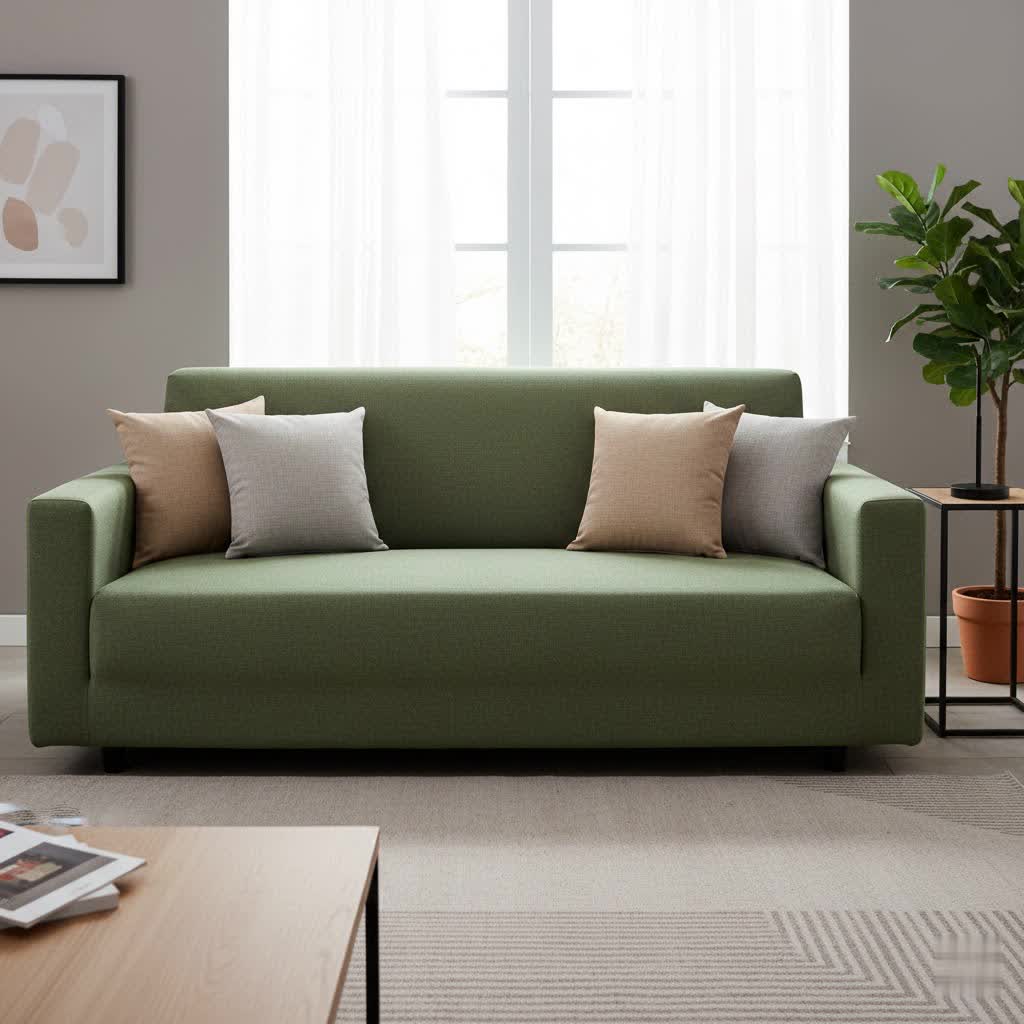
Is your beloved sofa showing signs of wear and tear, or are you simply craving a fresh new look without the hefty price tag of a replacement? A faux leather sofa cover could be the perfect solution. These versatile slipcovers offer the luxurious aesthetic of genuine leather, combined with practical benefits like easy maintenance and an animal-friendly appeal. They provide a smart way to protect your furniture, refresh your decor, and enjoy a sophisticated ambiance in your living space.
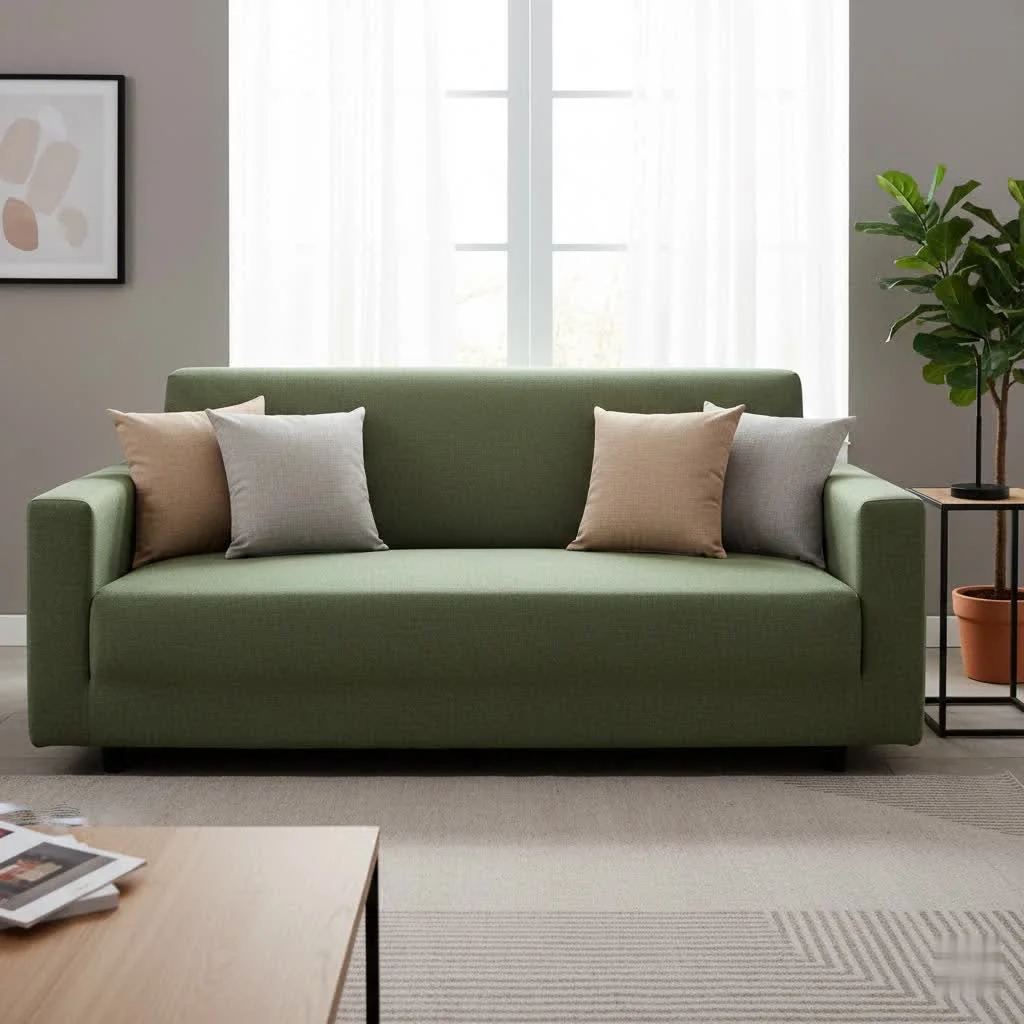
What is a Faux Leather Sofa Cover? Why Do You Need One?
A faux leather sofa cover is a protective and decorative fabric layer designed to fit over your existing sofa, mimicking the look and feel of real leather. Unlike traditional leather, which comes from animal hides, faux leather (also known as synthetic leather, vegan leather, or pleather) is manufactured from various synthetic materials, primarily polyurethane (PU) or polyvinyl chloride (PVC). This makes it an ethical and often more affordable alternative for homeowners seeking that classic leather aesthetic.
You might need a faux leather sofa cover for several compelling reasons. Firstly, it offers exceptional protection against daily wear, spills, pet hair, and accidental stains, significantly extending the life of your furniture. Secondly, it provides an instant style upgrade, allowing you to transform your living room’s ambiance without a major investment. Imagine turning a faded fabric sofa into a chic, modern centerpiece with the rich texture of faux leather. Lastly, for those who appreciate the look of leather but prefer animal-friendly options or require a material that is easier to clean and maintain, faux leather sofa covers are an ideal choice, offering both elegance and practicality.
Types of Faux Leather Sofa Covers on the Market
Faux leather sofa covers come in various forms, primarily categorized by their material composition and how they are designed to fit your furniture. Understanding these distinctions is crucial for selecting a cover that meets your specific needs and preferences.
By Material
The primary types of faux leather used for sofa covers are polyurethane (PU) and polyvinyl chloride (PVC), alongside newer innovations like silicone-coated options. Each offers distinct characteristics that impact feel, durability, and maintenance.
- PU Leather (Polyurethane): This type is often considered the most authentic-looking and feeling faux leather. PU leather is made by coating a fabric base (like cotton or wool) with a polymer-based substance. It tends to be softer, more flexible, and more breathable than PVC, making it a comfortable choice for seating. Its production process is generally considered more environmentally friendly, as it doesn’t typically require the plasticizers found in PVC. PU leather drapes well and conforms closely to your sofa’s shape, offering a sophisticated finish.
- PVC/Vinyl Leather (Polyvinyl Chloride): PVC faux leather is created by adding plasticizers and dyes to vinyl, resulting in a robust and rigid material. It is known for its exceptional waterproof and stain-resistant properties, making it incredibly easy to clean. While highly durable and long-lasting, PVC can be less breathable and may have a slightly stiffer feel compared to PU leather. Historically, PVC production has raised environmental concerns due to chemical byproducts, though advancements are continually being made. These covers are excellent for high-traffic areas or homes with active pets and children, where maximum protection and easy cleanup are priorities.
- Silicone-Coated Faux Leather: A newer advancement, silicone-coated faux leather offers impressive durability, flexibility, and a soft touch. Silicone is a rubber-like polymer that creates a highly resistant coating, known for being hypoallergenic and more environmentally friendly. These covers combine many of the best attributes of both PU and PVC, providing excellent performance with an ethical edge.
By Style and Fit
|
Our Picks for the Best Sofa Cover in 2026
As an Amazon Associate I earn from qualifying purchases.
|
||
| Num | Product | Action |
|---|---|---|
| 1 | Easy-Going Reversible Couch Cover for 3 Cushion Couch Sofa Cover for Dogs Water Resistant Furniture Protector Cover with Foam Sticks Elastic Straps for Pet Cat (Sofa, Beige/Beige) |

|
| 2 | Easy-Going Stretch Sofa Slipcover 1-Piece Sofa Cover Furniture Protector Couch Soft with Elastic Bottom for Kids, Polyester Spandex Jacquard Fabric Small Checks (Sofa, Beige) |
|
| 3 | Easy-Going Reversible Couch Cover for 3 Cushion Couch Sofa Cover for Dogs Water Resistant Furniture Protector Cover with Foam Sticks Elastic Straps for Pet Cat (Sofa, Army Green/Beige) |
|
| 4 | Easy-Going Stretch Sofa Slipcover 1-Piece Sofa Cover Furniture Protector Couch Soft with Elastic Bottom for Kids, Polyester Spandex Jacquard Fabric Small Checks (Sofa, Brown) |
|
| 5 | Easy-Going Stretch Sofa Slipcover 1-Piece Sofa Cover Furniture Protector Couch Soft with Elastic Bottom for Kids, Polyester Spandex Jacquard Fabric Small Checks (Sofa, Bluestone) |
|
| 6 | Easy-Going Stretch Sofa Slipcover 1-Piece Sofa Cover Furniture Protector Couch Soft with Elastic Bottom for Kids, Polyester Spandex Jacquard Fabric Small Checks (Sofa, ASH Rose) |
|
| 7 | Easy-Going Reversible Couch Cover for 3 Cushion Couch Sofa Cover for Dogs Water Resistant Furniture Protector Cover with Foam Sticks Elastic Straps for Pet Cat (Sofa, Gray/Light Gray) |
|
| 8 | Easy-Going Reversible Couch Cover for 3 Cushion Couch Sofa Cover for Dogs Water Resistant Furniture Protector Cover with Foam Sticks Elastic Straps for Pet Cat (Sofa, Black/Beige) |
|
| 9 | Easy-Going Stretch Sofa Slipcover 1-Piece Sofa Cover Furniture Protector Couch Soft with Elastic Bottom for Kids, Polyester Spandex Jacquard Fabric Small Checks (Sofa, Black) |
|
| 10 | Easy-Going Stretch Sofa Slipcover 1-Piece Sofa Cover Furniture Protector Couch Soft with Elastic Bottom for Kids, Polyester Spandex Jacquard Fabric Small Checks (Sofa, Dark Gray) |
|
Beyond material, sofa covers are also distinguished by their design, ensuring a snug and aesthetically pleasing fit for various sofa types.
- Stretch/Elastic Covers: These are the most common and versatile type, designed with highly elastic fabrics that stretch to conform to the contours of your sofa. They are generally easy to install and come in universal sizes to fit a range of sofa dimensions, from two-seaters to larger sectionals. Their snug fit helps minimize wrinkles and gives a more custom look.
- Tailored Slipcovers: For a truly custom appearance, tailored faux leather slipcovers are often designed for specific sofa models or can be custom-made to precise measurements. These covers offer a refined, upholstery-like finish with fewer visible seams and a more structured drape. They are ideal if you want your sofa cover to look like original upholstery rather than a cover.
- Sectional Specific Covers: Sectional sofas, with their multi-piece configurations, require specialized covers. These typically come in multiple pieces designed to fit each section (e.g., chaise, armless chair, corner piece), allowing for a seamless and secure fit that accommodates the unique shape of a sectional.
- Individual Cushion Covers: For targeted protection or a mix-and-match aesthetic, individual faux leather cushion covers can be purchased separately. These are great for updating just the seating area or replacing worn cushion covers without needing to cover the entire sofa. They are easy to remove for cleaning or swapping out for different looks.
Comparing Faux Leather Sofa Covers
Choosing the ideal faux leather sofa cover involves weighing various factors. Here’s a detailed comparison table focusing on different material types, including how faux leather stacks up against other common sofa cover materials like fabric.
| Feature | PU Faux Leather | PVC/Vinyl Faux Leather | Silicone Faux Leather | Fabric (e.g., Polyester, Cotton) |
|---|---|---|---|---|
| Price | Mid-range for faux leather | Generally the most affordable faux leather | Higher end for faux leather | Varies greatly from budget to premium |
| Durability | Good; less prone to cracking than PVC over time | Excellent; highly resistant to abrasion and water | Excellent; robust, flexible, and long-lasting | Good to excellent, depending on weave and fiber |
| Aesthetic | Very similar to real leather; soft, natural grain | Glossier, more uniform, stiffer feel | Smooth, subtle sheen; modern look | Wide range of textures, patterns, and colors |
| Comfort/Feel | Softer, more flexible, more breathable | Stiffer, less breathable | Very soft, smooth, flexible | Soft, breathable, cozy |
| Ease of Cleaning | Very easy; wipe with damp cloth | Extremely easy; wipe clean | Very easy; wipe clean | Machine washable (most types); can be stain-treated |
| Breathability | Moderate | Low | Moderate to high | High |
| Stain Resistance | High | Very high | Very high | Moderate to high (can be treated) |
| UV Resistance | Good | Good | Excellent | Varies; can fade over time with direct sun exposure |
| Environmental Impact | Better than PVC (fewer plasticizers) | Can be less eco-friendly (chemical byproducts) | Generally considered most eco-friendly | Varies (natural fibers generally good; synthetics vary) |
This comparison highlights that while fabric covers offer unparalleled comfort and breathability, faux leather options, particularly PU and silicone, provide a fantastic balance of style, durability, and ease of maintenance, especially for those seeking a leather-like look.
How to Choose the Perfect Faux Leather Sofa Cover (Buying Guide)
Selecting the right faux leather sofa cover involves more than just picking a color you like. To ensure longevity, a proper fit, and satisfaction, consider these key aspects before making your purchase.
Accurate Measurement is Key
The most critical step in choosing any sofa cover is precise measurement. A poorly fitting cover will look sloppy and won’t provide adequate protection.
- Measure Length, Width, and Height: Use a measuring tape to get the total length of your sofa (from arm to arm), the total depth (from front to back, including the backrest), and the height (from the floor to the top of the backrest).
- Account for Arms and Cushions: If your sofa has thick arms or removable cushions, measure these separately. Some covers are designed with separate armrest pieces or individual cushion covers for a more tailored look.
- Special Shapes (Sectional, L-shaped): For sectionals or L-shaped sofas, you’ll need to measure each segment individually. Many brands offer modular covers for these complex shapes, which often require two or more separate pieces to achieve a snug fit. Always refer to the manufacturer’s sizing guide, as they often provide specific diagrams for measuring various sofa configurations.
Selecting Material and Fit
The material and how it’s designed to fit will significantly influence the cover’s performance and appearance.
- Material Quality: Look for faux leather that feels durable yet soft to the touch. Thin, overly shiny materials may not hold up well over time. A good indicator of durability is the “rub count” or Martindale test score, which measures a fabric’s resistance to abrasion. A higher rub count indicates greater endurance. Quality faux leather should also be relatively thick and have a consistent finish that resists peeling.
- Stretch vs. Tailored: Stretch faux leather covers are popular for their ease of installation and ability to hug various sofa shapes. Look for “stretch” or “elastic” labels to ensure a snug fit. For a more sophisticated, custom-upholstered look, consider tailored covers, though these may be less forgiving if your measurements aren’t exact.
- Non-Slip Features: Especially vital for naturally smooth leather sofas, non-slip features are paramount. Many faux leather covers designed for leather furniture incorporate silicone dots, rubberized backing, or tuck-in flaps and elastic straps to keep them firmly in place. This prevents constant readjustment and ensures a neat appearance.
Style, Color, and Brand
The visual appeal of your sofa cover plays a significant role in your home’s decor.
- Match Your Interior Style: Faux leather comes in a wide array of colors and finishes. Darker shades like black, brown, or deep gray often lend a more authentic and luxurious leather look, blending easily with various decor styles from modern to traditional. Consider distressed faux leather for a vintage or rustic farmhouse feel.
- Reputable Brands and Reviews: Investigate brands known for quality sofa covers. Reading customer reviews can provide valuable insights into a cover’s actual fit, durability, and ease of maintenance. Look for consistent positive feedback regarding product longevity and how well it stands up to daily use. Online retailers often feature user-submitted photos, which can be immensely helpful in visualizing how a cover looks on an actual sofa.
Cleaning and Maintaining Your Faux Leather Sofa Cover
One of the greatest advantages of a faux leather sofa cover is its relatively easy maintenance. However, proper care is essential to keep it looking pristine and extend its lifespan.
Everyday Cleaning Tips
Regular cleaning prevents dirt and grime buildup, preserving the cover’s appearance and integrity.
- Routine Dusting: Make it a habit to dust your faux leather sofa cover weekly using a soft, dry cloth or a microfiber duster. This removes loose dirt and debris before they can become embedded or cause wear. Pay special attention to areas like armrests and headrests, where natural oils from skin and hair can accumulate.
- Mild Soap Solution for General Cleaning: For a more thorough clean, dampen a soft cloth with lukewarm water mixed with a few drops of mild, bleach-free soap (like dish soap or baby shampoo). Wring out the cloth well—it should be damp, not soaking wet, as excess moisture can be detrimental. Gently wipe the surface of the cover in circular motions.
- Immediate Spill Cleanup: Address spills immediately by blotting them with a clean, dry cloth. Do not rub, as this can spread the stain. Follow up with a damp cloth and mild soap solution if necessary, then wipe dry.
Tackling Stubborn Stains
Even with careful use, stubborn stains can happen. Here’s how to manage them effectively:
- Baking Soda for Grease Stains: For grease or oil stains, sprinkle a small amount of cornstarch or baking soda directly onto the stain. Let it sit for a few hours to absorb the grease, then gently brush off the powder and wipe the area with a damp cloth. Always test this method on an inconspicuous spot first to ensure colorfastness.
- Vinegar Solution for Other Tough Stains: A solution of one part white vinegar to eight parts water with a dash of mild soap can be effective for various stubborn stains. Apply it with a microfiber cloth, gently rubbing, then rinse with a clean, damp cloth and dry thoroughly.
- Avoid Harsh Chemicals: Crucially, never use harsh household chemicals such as bleach, acetone, or alcohol-based cleaners on faux leather. These can cause the material to dry out, crack, peel, or become discolored, permanently damaging your cover. Stick to mild, gentle solutions.
Longevity and Care
Beyond cleaning, a few protective measures can significantly extend your faux leather sofa cover’s life.
- Conditioning: While faux leather doesn’t require conditioning like real leather, some specific faux leather conditioners can help maintain its suppleness and prevent minor cracking over time. Alternatively, a tiny amount of natural oils like coconut or olive oil can be applied sparingly with a soft cloth and buffed dry to provide a protective sheen.
- Avoid Direct Sunlight: Prolonged exposure to direct sunlight can degrade faux leather, causing it to fade or become brittle. Position your sofa away from direct sunbeams, or use curtains and blinds to protect it during peak sunlight hours. Rotating cushions can also help ensure even exposure and wear.
- Air Dry Thoroughly: After any cleaning, ensure the faux leather cover is completely dry before use. Trapped moisture can lead to mildew or damage the backing fabric.
Top Considerations for Faux Leather Sofa Covers
When choosing a faux leather sofa cover, specific features and aesthetic details can significantly enhance its functionality and integration into your home.
- Popular Textures and Finishes: Faux leather comes in a variety of textures that mimic real leather. You can find options with a smooth, polished finish for a sleek, modern look, or those with a pebbled or distressed texture that adds character and warmth, ideal for industrial or rustic interiors. A matte finish can further enhance the authentic appearance of the cover, making it almost indistinguishable from genuine leather.
- Color Versatility: While traditional black and brown faux leather covers remain popular for their classic appeal, the market now offers a broader palette. You can find sophisticated grays, creams, whites, and even bolder jewel tones. Darker colors tend to be more forgiving with minor marks and can often look more authentic, but lighter shades can brighten a room and offer a contemporary feel.
- Pet-Friendly Features: For households with pets, faux leather is an excellent choice. It’s often resistant to scratches and can be easily wiped clean of pet hair and muddy paw prints. Some covers are specifically designed with enhanced scratch resistance and waterproof layers to provide ultimate protection against pet-related wear and accidents.
- Waterproof and Spill-Resistant Properties: Many faux leather covers boast impressive water and stain resistance, making them invaluable for families with young children or anyone prone to spills. This feature means liquids bead on the surface, allowing for quick and easy cleanup before they can soak in and cause damage to the original sofa.
- Anti-Bacterial and Hypoallergenic Options: Certain high-quality faux leather materials are treated with anti-bacterial properties, providing an extra layer of hygiene. This, combined with their non-porous surface, makes them an excellent hypoallergenic option, as they are less likely to harbor dust mites and allergens compared to many fabric covers.
“A faux leather sofa cover isn’t just about protection; it’s an intelligent design choice that blends the timeless allure of leather with the effortless practicality of modern materials. It allows for a dynamic and adaptable living space.”
Conclusion
Faux leather sofa covers present an exceptional opportunity to revitalize your living room, combining sophisticated aesthetics with unparalleled practicality. They offer a cost-effective, animal-friendly, and easy-to-maintain solution to protect your existing furniture and refresh your home’s decor. By understanding the different types, carefully measuring your sofa, and choosing quality materials with features like non-slip backing and pet-friendliness, you can select a cover that not only looks fantastic but also stands up to the demands of daily life.
With proper care and cleaning, a faux leather sofa cover can provide years of durable service and luxurious style. Ready to transform your space? Which faux leather finish best complements your home’s current aesthetic?
Frequently Asked Questions
Is faux leather durable for a sofa cover?
Yes, faux leather sofa covers are generally durable and can withstand daily wear and tear. High-quality PU and silicone faux leather options are particularly resistant to cracking, fading, and abrasion, offering long-lasting protection for your sofa.
Can faux leather sofa covers be washed in a machine?
Most faux leather sofa covers are not machine washable. It’s typically recommended to clean them by wiping the surface with a damp cloth and mild soap. Always check the specific care instructions provided by the manufacturer for your particular cover to avoid damage.
How do I prevent a faux leather sofa cover from slipping?
To prevent slipping on a smooth leather sofa, look for faux leather covers that feature non-slip backings, such as silicone dots or rubberized grips. Elastic straps, tuck-in flaps, and form-fitting stretch designs also help secure the cover in place.
Are faux leather sofa covers comfortable?
The comfort of a faux leather sofa cover largely depends on its material. PU faux leather is known for being softer, more flexible, and more breathable, providing a comfortable seating experience. PVC faux leather can be stiffer but is still comfortable for many users.
What’s the difference between PU and PVC faux leather covers?
PU (polyurethane) faux leather is generally softer, more flexible, and more breathable, closely mimicking the feel of genuine leather. PVC (polyvinyl chloride) faux leather is typically more rigid, extremely durable, and highly waterproof, often preferred for its robust protection and easy cleaning.
Are faux leather covers good for pets?
Yes, faux leather covers are often an excellent choice for pet owners. Their smooth, non-porous surface makes them resistant to pet hair accumulation and easy to wipe clean of muddy paw prints or accidents. Many are also designed with enhanced scratch resistance.
How often should I clean my faux leather sofa cover?
For general maintenance, it’s recommended to dust your faux leather sofa cover weekly. For deeper cleaning, a wipe-down with a damp cloth and mild soap solution every few weeks or as needed for spills and marks will keep it looking fresh. Always address spills immediately.
Get our weekly buyer guide
Practical specs, not advice. Unsubscribe anytime.
