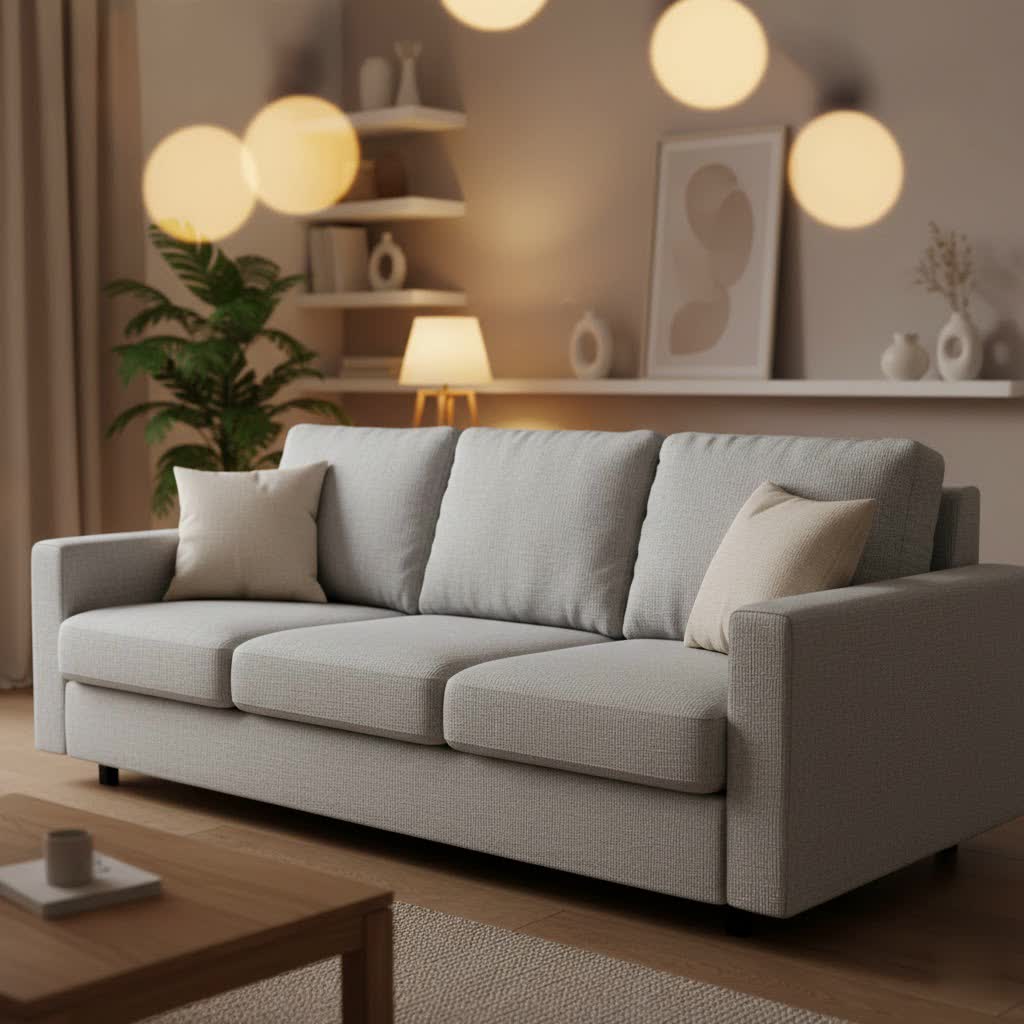
Does your beloved sofa show signs of wear, spills, or an outdated look, making you wish for a quick, affordable transformation? Or perhaps you’re simply seeking a practical shield against the daily chaos of pets and children. The one-piece sofa cover emerges as a revolutionary solution, offering both aesthetic renewal and robust protection without the commitment of purchasing new furniture. This comprehensive guide will navigate you through understanding, choosing, and maintaining the perfect one-piece sofa cover to revitalize your living space and extend the life of your most cherished seating.
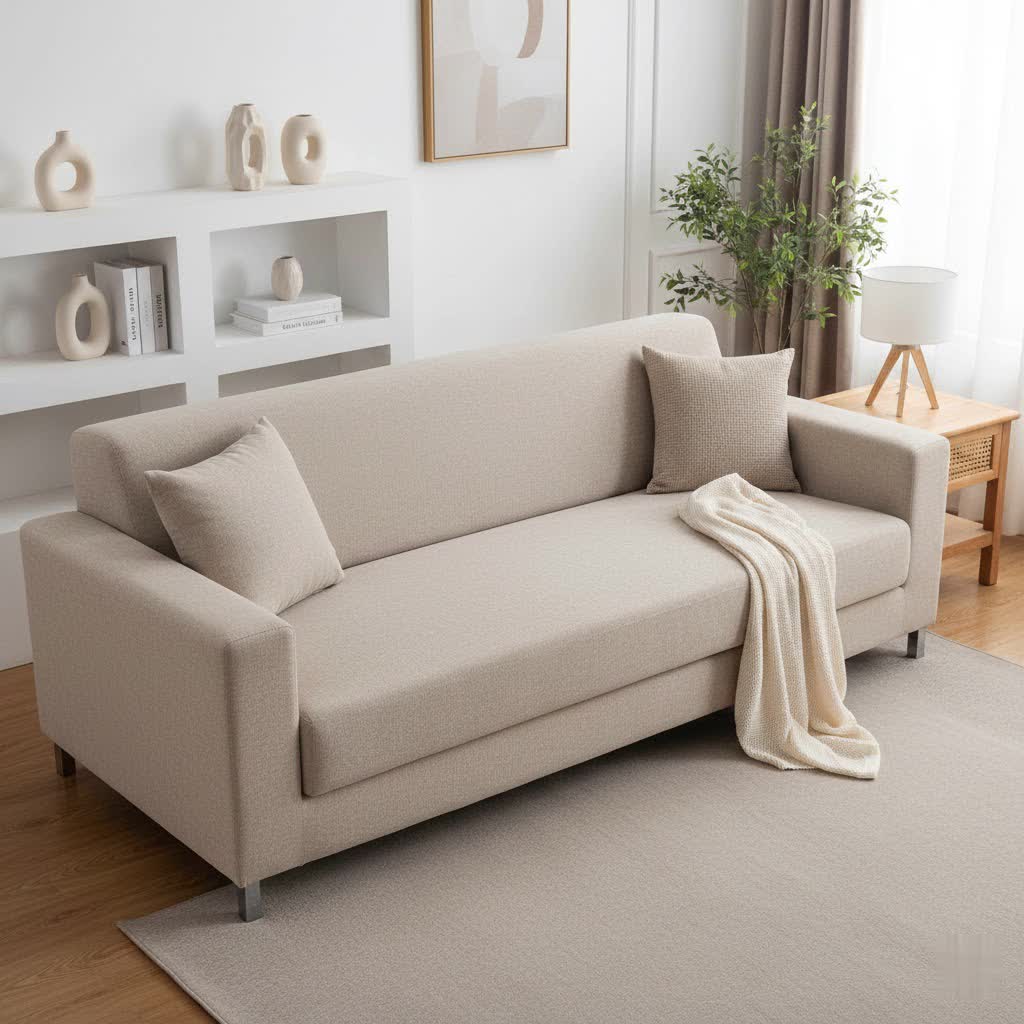
What is a One-Piece Sofa Cover? Why Do You Need It?
A one-piece sofa cover, often synonymous with a slipcover, is a single fabric unit designed to envelop your entire sofa, from the backrest to the arms and seat cushions. Unlike multi-piece covers that involve separate components for cushions and frame, the one-piece design offers a seamless, cohesive look, often secured with an elasticized bottom and tuck-in features to maintain a snug fit.
The need for a one-piece sofa cover stems from various common household challenges. Our sofas endure significant daily use, leaving them susceptible to spills, stains, dust, and pet hair. Without protection, the original upholstery can quickly become worn, faded, or visibly aged, diminishing the overall appeal of your living room. A quality one-piece cover acts as a robust barrier, safeguarding your sofa against these inevitable mishaps and prolonging its pristine condition.
Beyond protection, these covers offer an immediate aesthetic upgrade. They allow you to effortlessly update your interior décor with new colors, patterns, or textures, adapting to seasonal changes or evolving personal tastes without the significant investment of buying a new sofa. This cost-effectiveness makes them an intelligent choice for budget-conscious homeowners looking to refresh their space. Many are also machine washable, offering unparalleled ease of maintenance for busy households.
Popular Types of One-Piece Sofa Covers on the Market
The market for one-piece sofa covers is vast, offering a range of options categorized primarily by their material and fit. Understanding these distinctions is key to selecting a cover that meets your specific needs for durability, aesthetics, and comfort.
Classification by Material
The material of your one-piece sofa cover dictates its look, feel, and performance.
- Polyester & Spandex Blends (Stretch Fabric): These are perhaps the most ubiquitous type due to their exceptional elasticity and durability. A blend of 85% polyester and 15% spandex is common, allowing the cover to stretch and conform to various sofa shapes, providing a snug, wrinkle-free fit. They are often stain-resistant and easy to clean, making them ideal for high-traffic areas and homes with pets and children. However, some synthetic blends may be prone to pilling over time.
- Cotton: Known for its softness, breathability, and natural feel, cotton is an excellent choice for casual and traditional interiors. Cotton covers are generally durable and easy to machine wash, though they might be more susceptible to stains than synthetic options and may wrinkle more easily.
- Velvet: For those seeking a touch of luxury and sophistication, velvet one-piece covers are an excellent option. They offer a plush, soft texture and an elegant sheen, instantly elevating the room’s aesthetic. Modern velvet covers often incorporate stretch for a better fit and can provide warmth and comfort.
- Microfiber: Ultra-soft and smooth, microfiber covers are highly praised for their ability to resist spills and ease of cleaning, making them a popular choice for families and pet owners. They are durable and often come in a variety of colors.
- Chenille: Offering a cozy, textured, and plush feel, chenille covers add warmth and comfort to any living space. This material is known for its softness and dependability, making it a inviting option.
- Jacquard: Characterized by intricate woven patterns, jacquard fabrics provide a rich texture and visual interest. Often blended with stretch materials like polyester and spandex, jacquard one-piece covers combine durability with sophisticated design.
- Linen: With its natural texture and elegant, relaxed appearance, linen is a durable fabric known for its breathability. While it can wrinkle easily, this characteristic often adds to its casual charm.
|
Our Picks for the Best Sofa Cover in 2026
We may earn a commission when you use one of our links to make a purchase.
|
||
| Num | Product | Action |
|---|---|---|
| 1 | Easy-Going Stretch Sofa Slipcover 1-Piece Sofa Cover Furniture Protector Couch Soft with Elastic Bottom for Kids, Polyester Spandex Jacquard Fabric Small Checks (Sofa, ASH Rose) |

|
| 2 | Easy-Going Stretch Sofa Slipcover 1-Piece Sofa Cover Furniture Protector Couch Soft with Elastic Bottom for Kids, Polyester Spandex Jacquard Fabric Small Checks (Sofa, Bluestone) |
|
| 3 | Easy-Going Reversible Couch Cover for 3 Cushion Couch Sofa Cover for Dogs Water Resistant Furniture Protector Cover with Foam Sticks Elastic Straps for Pet Cat (Sofa, Army Green/Beige) |
|
| 4 | Easy-Going Reversible Couch Cover for 3 Cushion Couch Sofa Cover for Dogs Water Resistant Furniture Protector Cover with Foam Sticks Elastic Straps for Pet Cat (Sofa, Black/Beige) |
|
| 5 | Easy-Going Stretch Sofa Slipcover 1-Piece Sofa Cover Furniture Protector Couch Soft with Elastic Bottom for Kids, Polyester Spandex Jacquard Fabric Small Checks (Sofa, Black) |
|
| 6 | Easy-Going Stretch Sofa Slipcover 1-Piece Sofa Cover Furniture Protector Couch Soft with Elastic Bottom for Kids, Polyester Spandex Jacquard Fabric Small Checks (Sofa, Brown) |
|
| 7 | Easy-Going Reversible Couch Cover for 3 Cushion Couch Sofa Cover for Dogs Water Resistant Furniture Protector Cover with Foam Sticks Elastic Straps for Pet Cat (Sofa, Gray/Light Gray) |
|
| 8 | Easy-Going Stretch Sofa Slipcover 1-Piece Sofa Cover Furniture Protector Couch Soft with Elastic Bottom for Kids, Polyester Spandex Jacquard Fabric Small Checks (Sofa, Dark Gray) |
|
| 9 | Easy-Going Reversible Couch Cover for 3 Cushion Couch Sofa Cover for Dogs Water Resistant Furniture Protector Cover with Foam Sticks Elastic Straps for Pet Cat (Sofa, Beige/Beige) |
|
| 10 | Easy-Going Stretch Sofa Slipcover 1-Piece Sofa Cover Furniture Protector Couch Soft with Elastic Bottom for Kids, Polyester Spandex Jacquard Fabric Small Checks (Sofa, Beige) |
|
Classification by Style/Fit
While all are “one-piece,” variations exist in how they adapt to your sofa’s form.
- Universal Stretch Fit: The most common type, these covers are engineered from highly elastic fabrics to stretch over a wide range of sofa shapes and sizes. They typically feature an elasticized hem and include foam rods or tuck strips to push into cushion gaps, ensuring a smooth, secure fit that stays in place.
- Form-Fitting/Tailored Look: While still one piece, some designs aim for a more custom-upholstered appearance, closely hugging the contours of the sofa. This often requires more precise measurements but can result in a more polished and less “slipcover” look.
Comparison Table of One-Piece Sofa Cover Types
| Material | Durability | Aesthetic / Feel | Ease of Cleaning | Price Range | Best For |
|---|---|---|---|---|---|
| Polyester & Spandex | High | Smooth, modern, stretchy | Very Easy | Mid | High traffic, pets, kids, snug fit |
| Cotton | Medium-High | Soft, breathable, natural | Easy | Mid | Casual, traditional, breathable comfort |
| Velvet | Medium | Luxurious, plush, elegant | Moderate | Mid-High | Adding sophistication, comfort, warmth |
| Microfiber | High | Ultra-soft, smooth | Very Easy | Mid | Families with pets/kids, spill resistance |
| Chenille | Medium-High | Cozy, textured, soft | Moderate | Mid | Warmth, comfort, inviting spaces |
| Jacquard (Blend) | High | Textured patterns, elegant | Easy | Mid-High | Decorative appeal, durable, good fit |
| Linen | Medium-High | Natural, relaxed, elegant | Moderate | High | Breathable, airy, sophisticated casual style |
Buying Guide: How to Choose the Right One-Piece Sofa Cover
Selecting the perfect one-piece sofa cover requires careful consideration of your sofa’s dimensions, your lifestyle, and your aesthetic preferences. A well-chosen cover can truly transform your living area.
Accurate Sofa Measurement
Precision is paramount for a seamless fit. A poorly fitting cover can look messy and fail to provide adequate protection. Always use a metal tape measure for accuracy, as fabric tapes can stretch and provide inaccurate results.
Here are the essential measurements to take:
- Total Width: Measure from the outermost edge of the left arm to the outermost edge of the right arm. This is the most critical measurement for one-piece covers.
- Total Depth: Measure from the very front of the seat cushions to the very back of the sofa back.
- Total Height: Measure from the floor up to the very top of the sofa back.
Notes for Special Shapes: For sofas with unique shapes like L-shaped sectionals or T-cushions, or if your sofa has particularly large or uniquely shaped armrests (round, square, wedge), you may need additional measurements or a specialized slipcover designed for those configurations. While many one-piece covers offer a “universal” stretch, checking the manufacturer’s specific sizing guide for your sofa’s style is always best.
Matching Material and Style to Your Needs
Consider these factors when choosing:
- Budget: One-piece sofa covers offer a wide price range. Determine how much you’re willing to invest, remembering that higher quality materials often last longer.
- Lifestyle (Pets & Kids): If you have furry friends or little ones, prioritize durable, stain-resistant, and machine-washable fabrics like polyester blends or microfiber. Waterproof options are also available for maximum protection against spills and accidents.
- Interior Decor Style: Choose a material, color, and pattern that complements your existing décor. A plush velvet can enhance a luxurious setting, while cotton or linen might suit a more relaxed, bohemian, or farmhouse aesthetic.
- Comfort: Consider the feel of the fabric. Do you prefer a soft, cozy texture like chenille or velvet, or a smooth, cool feel like certain polyester blends?
- Usage Frequency: For sofas used daily, opt for high-durability fabrics that can withstand constant wear and tear.
Finding Reputable Brands and Suppliers
Researching brands and reading customer reviews can provide invaluable insights into a cover’s actual performance and fit. Look for suppliers who offer clear sizing guides, material information, and a reasonable return policy. While specific product recommendations are outside this guide’s scope, reputable brands often focus on quality construction, durable fabrics, and user-friendly installation.
How to Clean and Maintain Your One-Piece Sofa Cover
One of the significant advantages of one-piece sofa covers is their ease of cleaning. Proper maintenance ensures longevity and keeps your living space fresh and inviting.
Home Cleaning Instructions
Before cleaning, always check the care label on your specific sofa cover, as instructions can vary by material.
- Pre-Treatment: Address any visible stains before washing. For fabric stains, use a mild fabric cleaner or a homemade solution of water, white vinegar, and a drop of dish soap. Always test on an inconspicuous area first.
- Machine Washing: Most one-piece sofa covers are machine washable.
- Use a mild, non-bleach detergent to prevent discoloration and fabric weakening.
- Wash in cold or lukewarm water (maximum 30-40 degrees Celsius). Hot water can cause fabric shrinkage, fading, or loss of elasticity.
- Select a gentle or delicate cycle to reduce agitation and prevent wear and tear.
- Wash separately from other laundry items to avoid color bleeding or abrasion.
- Spot Cleaning (for non-removable covers or minor spills): For areas that cannot be machine washed, gently blot spills immediately with a clean cloth. For tougher spots, use a mild soap solution, blotting from the outside in to prevent the stain from spreading. Baking soda can be sprinkled on for a few hours to absorb odors before vacuuming.
Tips for Longevity
To extend the lifespan and maintain the pristine appearance of your one-piece sofa cover:
- Drying: Whenever possible, air-dry your sofa cover in the shade. Direct sunlight can cause fading. If using a tumble dryer, select a low heat setting to prevent shrinkage or damage to the fabric. Avoid high heat, especially for polyester blends, as it can alter their shape.
- Ironing: Many synthetic covers, especially polyester, should not be ironed. For other materials, if ironing is necessary, use a low heat setting and iron on the reverse side.
- Regular Care: Vacuum your sofa cover regularly with an upholstery attachment to remove dust, crumbs, and pet dander. Use a lint roller for pet hair accumulation. This prevents dirt buildup and helps maintain the fabric’s integrity over time.
“Investing in a quality one-piece sofa cover is not just about aesthetics; it’s a strategic move to safeguard your furniture and simplify home maintenance for years to come.” – Sarah Chen, Interior Design Consultant
Top One-Piece Sofa Cover Styles to Consider
While specific product recommendations are dynamic, certain styles consistently receive high praise for their functionality and aesthetic appeal:
- Stretch Jacquard: These covers offer a textured, elegant look with excellent elasticity for a conforming fit. They often come in various subtle patterns that add depth and sophistication to a room without being overly bold.
- Plush Velvet: For an instant dose of luxury and supreme comfort, plush velvet one-piece covers are unbeatable. Their soft, inviting texture and rich color options create a warm and opulent ambiance.
- High-Stretch Microfiber: Particularly popular for active households, these covers blend incredible softness with robust stain and spill resistance. They are typically very easy to clean and maintain, making them a practical choice.
- Cotton Duck Slipcovers: For a classic, relaxed, and breathable option, cotton duck covers offer a timeless appeal. They are durable, easy to wash, and lend a casual elegance, perfect for a farmhouse or coastal-inspired decor.
- Printed Geometric/Floral Patterns: Modern one-piece covers often feature vibrant geometric or subtle floral prints that can serve as a focal point in your living room, adding personality and visual interest.
Conclusion
A one-piece sofa cover is far more than just a piece of fabric; it’s a smart, multifaceted investment for any home. From offering robust protection against life’s daily spills and wear to providing an effortless avenue for aesthetic reinvention, these covers extend the life of your furniture and enhance your living environment. By understanding the diverse materials, mastering simple measurement techniques, and committing to basic care, you can select a one-piece sofa cover that perfectly marries functionality with your unique style. Ready to transform your sofa and revitalize your home?
Frequently Asked Questions
What is the difference between a one-piece and multi-piece sofa cover?
A one-piece sofa cover covers the entire sofa as a single unit, offering a seamless look. Multi-piece covers, conversely, typically include separate sections for the sofa frame and individual seat cushions, which can sometimes provide a more tailored fit that minimizes slipping.
How do I keep my one-piece sofa cover from slipping?
Many one-piece covers come with elasticized bottoms and anti-slip foam rods or tuck strips that are pushed into the crevices of the sofa to secure the fabric. Regularly tucking these in and ensuring a snug fit during installation can significantly prevent slipping.
Can one-piece sofa covers fit all sofa types?
While many one-piece covers are made from high-stretch fabrics designed for universal fit, highly unconventional sofa shapes (e.g., deeply curved or oversized sectionals) might require specialized or custom-made covers to achieve an optimal look and fit. Always check the manufacturer’s sizing guide.
Are one-piece sofa covers durable?
The durability of a one-piece sofa cover largely depends on its material and construction. Blends like polyester and spandex, along with microfiber, are known for their high durability and resistance to wear and tear, making them excellent choices for long-lasting protection.
How often should I wash my one-piece sofa cover?
Washing frequency depends on usage and household conditions. For homes with pets, children, or frequent entertaining, washing every 1-2 months is advisable. In less active households, washing every 3-6 months may suffice to keep it fresh.
Can I use a one-piece sofa cover on a leather sofa?
Yes, you can use a one-piece sofa cover on a leather sofa. However, because leather is slick, the cover might be more prone to slipping. Look for covers specifically designed with anti-slip features or textured backings that can better grip the leather surface.