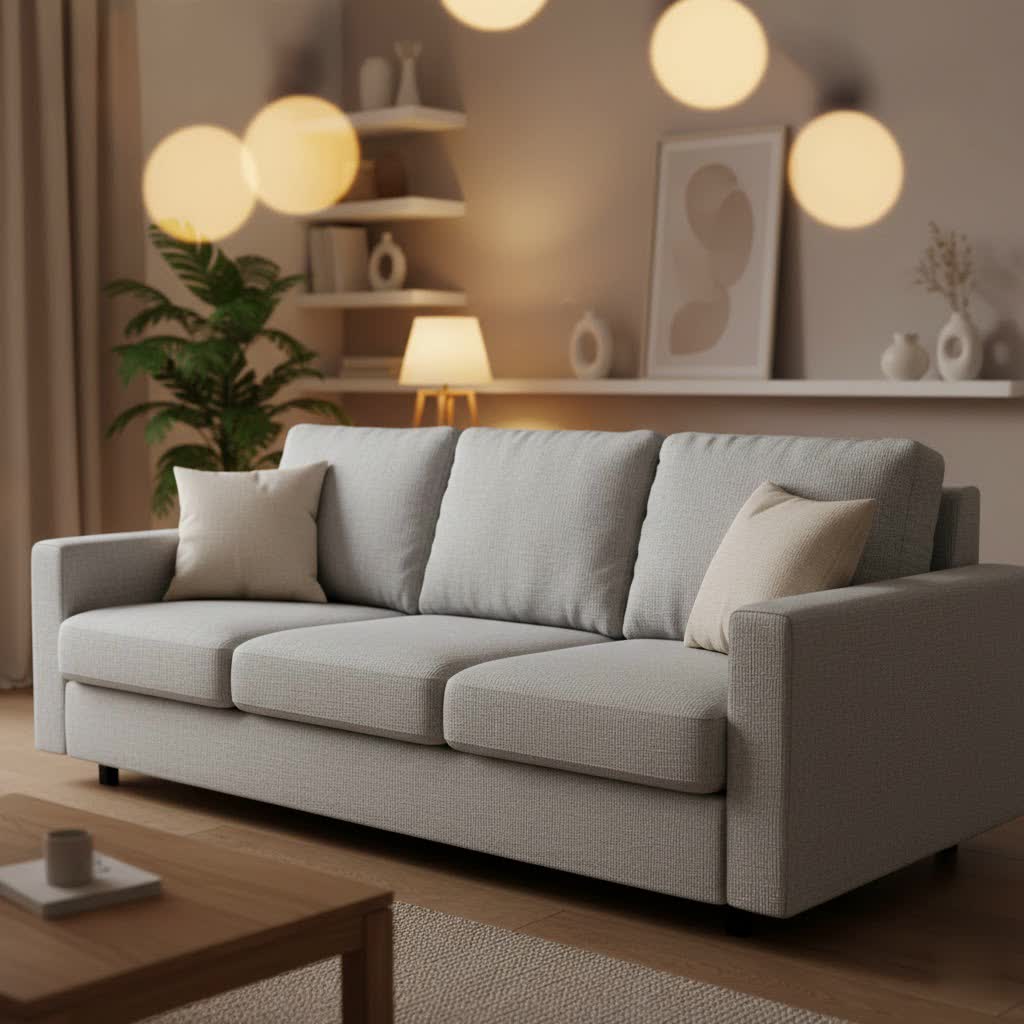
Is your beloved futon looking a little tired, or do you simply wish it offered better protection from daily mishaps? Futons are incredibly versatile pieces, serving as both comfortable seating and convenient extra sleeping space, but their mattresses often bear the brunt of everyday life. This is where a high-quality Futon Sofa Cover steps in, offering a simple yet transformative solution. Far more than just a piece of fabric, the right cover can revitalize your futon, shield it from wear, and seamlessly integrate it into your home’s evolving aesthetic. This comprehensive guide will walk you through everything you need to know, from understanding the core benefits to selecting the perfect material, ensuring your futon remains a stylish and functional centerpiece in your home.
What is a Futon Sofa Cover and Why Do You Need It?
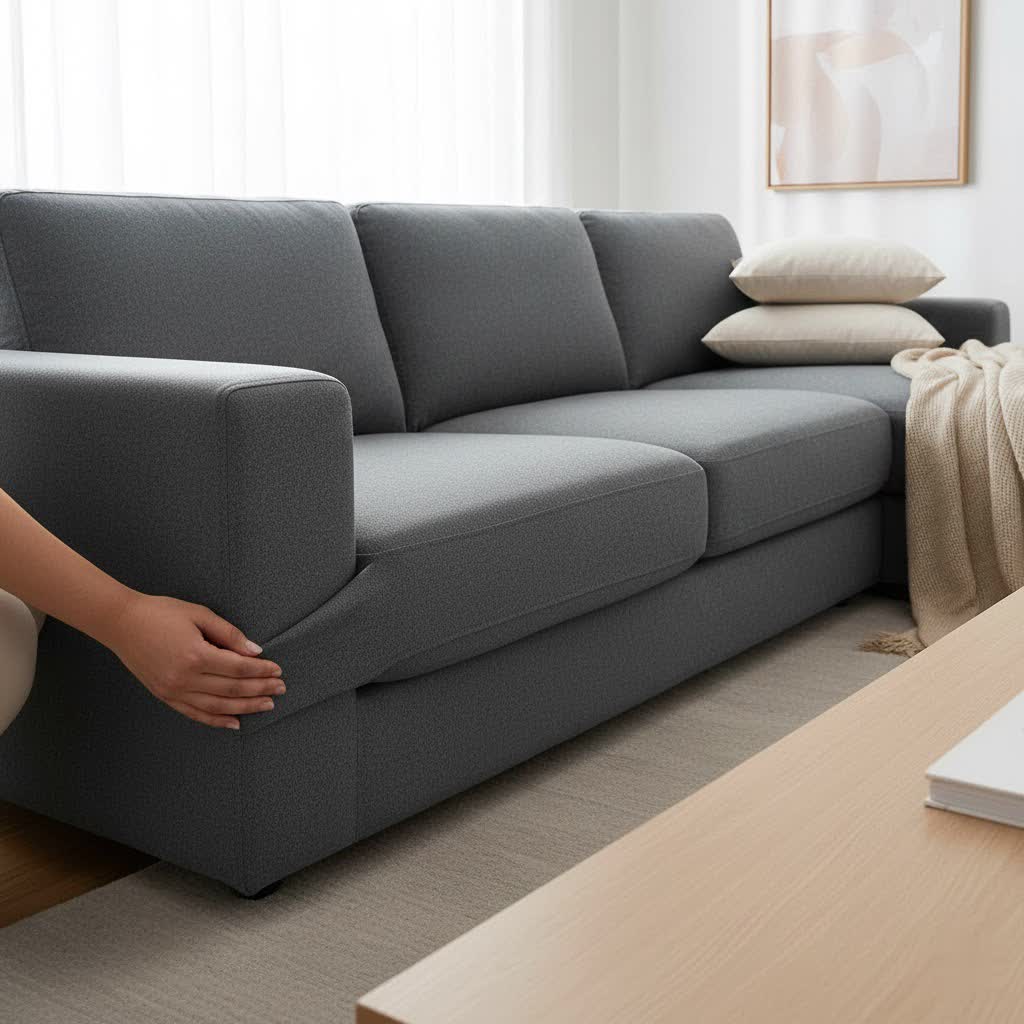
A futon sofa cover is essentially a tailored slipcover designed to encase your futon mattress, which typically converts from a sofa to a flat bed. Unlike standard sofa covers that might drape loosely, futon covers are often fitted with zippers to provide a snug, secure fit around the mattress itself. They are indispensable for any futon owner, offering a multitude of benefits that extend beyond mere aesthetics.
The primary role of a futon cover is protecting your investment. Your futon mattress, often a significant purchase, is vulnerable to spills, food stains, pet hair, and general wear and tear from frequent use. A durable cover acts as a robust barrier, safeguarding the mattress material and significantly extending its lifespan. Instead of replacing an entire mattress due to an irreversible stain, you can simply remove and clean the cover.
Beyond protection, futon covers play a crucial role in boosting hygiene and health [cite: 1 (how to cover futon), 2 (benefits), 3 (benefits)]. Many futon mattresses, especially those made with natural cotton, cannot be easily washed. A removable cover, however, can be regularly laundered, helping to eliminate dust, body oils, and allergens like dust mites and pet dander that naturally accumulate on upholstered surfaces. This is particularly beneficial for households with allergy sufferers, ensuring a cleaner and healthier living environment.
Finally, a futon cover provides an instant style makeover [cite: 1 (search intent), 2 (benefits), 3 (benefits), 4 (benefits)]. If your futon’s original fabric is dated, worn, or simply doesn’t match your current decor, a new cover can completely transform its look. It’s a cost-effective way to refresh a room, allowing you to experiment with new colors, patterns, and textures to align with seasonal changes or evolving personal tastes without the expense of buying new furniture. From vibrant hues to subtle neutrals, the right cover can turn your futon into a statement piece or a harmonious accent.
The pitfalls of going uncovered are numerous. Without a protective layer, your futon mattress is exposed to rapid deterioration, making it prone to unsightly stains, tears, and an overall worn appearance that detracts from your home’s ambiance. Cleaning an uncovered futon mattress is often difficult, if not impossible, leading to a build-up of dirt and allergens. Ultimately, foregoing a cover means sacrificing both the longevity and aesthetic appeal of your futon.
Popular Types of Futon Sofa Covers on the Market
Choosing the right futon cover involves understanding the various materials and styles available, each offering distinct advantages in terms of durability, aesthetics, and maintenance.
Categorized by Material
The fabric you choose will heavily influence the look, feel, and performance of your futon cover.
- Cotton & Blends (Cotton Duck, Cotton-Poly): These covers are celebrated for their natural breathability, softness, and comfortable feel [cite: 1 (types of futon sofa covers), 2 (types of futon sofa covers), 3 (types of futon sofa covers), 4 (types of futon sofa covers)].
- Pros: Excellent for everyday, casual use; cotton duck offers robust durability for high-traffic areas; cotton-poly blends combine softness with improved wrinkle resistance.
- Cons: Can be prone to wrinkling; may absorb stains if not treated or washed promptly.
- Microfiber & Polyester Blends: Often synthetic, these fabrics are incredibly practical and popular [cite: 1 (types of futon sofa covers), 2 (types of futon sofa covers), 3 (types of futon sofa covers), 4 (types of futon sofa covers)].
- Pros: Highly stain-resistant and easy to clean, making them ideal for homes with kids or pets; soft and suede-like texture; available in a vast array of colors and textures; very durable.
- Cons: Less breathable than natural fibers; can sometimes have a distinctly synthetic feel.
- Suede & Microsuede: Offering a touch of luxury, these materials are known for their inviting texture [cite: 2 (types of futon sofa covers), 5 (types of futon sofa covers)].
- Pros: Plush, elegant, and exceptionally soft to the touch; many microsuede options are conveniently machine washable and easy to install.
- Cons: Can be more delicate than other synthetics; may show marks or impressions more easily.
- Leather & Faux Leather: For a sophisticated and modern edge, leather and faux leather covers are an excellent choice [cite: 1 (types of futon sofa covers), 2 (types of futon sofa covers), 3 (types of futon sofa covers), 5 (types of futon sofa covers)].
- Pros: Durable and hard-wearing, perfect for high-traffic areas; sleek, chic, and sophisticated aesthetic; easy to wipe clean, resisting spills.
- Cons: Can be less soft or warm to the touch; genuine leather is more expensive and requires specific care; faux leather can sometimes lack the luxurious feel of the real thing.
- Chenille: These covers add a rich, cozy dimension to any room [cite: 1 (search intent), 4 (types of futon sofa covers), 5 (types of futon sofa covers)].
- Pros: Luxurious and exceptionally cozy feel; offers a rich, textured look that adds depth and warmth.
- Cons: Often requires more delicate care, potentially dry cleaning or gentle machine wash cycles; may be less resistant to snags in high-traffic areas.
- Stretch & Jacquard Fabrics (Polyester/Spandex): Increasingly popular, these covers prioritize fit and patterned durability [cite: 2 (best futon slipcovers), 5 (benefits), 1 (best futon covers)].
- Pros: High elasticity ensures a snug, wrinkle-resistant fit; jacquard weaves embed patterns directly into the fabric for enhanced durability and fade resistance; easy to install and often offer a “universal” fit for various futon dimensions.
- Cons: Predominantly synthetic feel; the tight fit might not appeal to everyone.
|
Our Picks for the Best Sofa Cover in 2026
We may earn a commission when you use one of our links to make a purchase.
|
||
| Num | Product | Action |
|---|---|---|
| 1 | Easy-Going Stretch Sofa Slipcover 1-Piece Sofa Cover Furniture Protector Couch Soft with Elastic Bottom for Kids, Polyester Spandex Jacquard Fabric Small Checks (Sofa, Brown) |

|
| 2 | Easy-Going Stretch Sofa Slipcover 1-Piece Sofa Cover Furniture Protector Couch Soft with Elastic Bottom for Kids, Polyester Spandex Jacquard Fabric Small Checks (Sofa, Bluestone) |
|
| 3 | Easy-Going Stretch Sofa Slipcover 1-Piece Sofa Cover Furniture Protector Couch Soft with Elastic Bottom for Kids, Polyester Spandex Jacquard Fabric Small Checks (Sofa, Dark Gray) |
|
| 4 | Easy-Going Reversible Couch Cover for 3 Cushion Couch Sofa Cover for Dogs Water Resistant Furniture Protector Cover with Foam Sticks Elastic Straps for Pet Cat (Sofa, Black/Beige) |
|
| 5 | Easy-Going Stretch Sofa Slipcover 1-Piece Sofa Cover Furniture Protector Couch Soft with Elastic Bottom for Kids, Polyester Spandex Jacquard Fabric Small Checks (Sofa, Black) |
|
| 6 | Easy-Going Reversible Couch Cover for 3 Cushion Couch Sofa Cover for Dogs Water Resistant Furniture Protector Cover with Foam Sticks Elastic Straps for Pet Cat (Sofa, Gray/Light Gray) |
|
| 7 | Easy-Going Reversible Couch Cover for 3 Cushion Couch Sofa Cover for Dogs Water Resistant Furniture Protector Cover with Foam Sticks Elastic Straps for Pet Cat (Sofa, Beige/Beige) |
|
| 8 | Easy-Going Reversible Couch Cover for 3 Cushion Couch Sofa Cover for Dogs Water Resistant Furniture Protector Cover with Foam Sticks Elastic Straps for Pet Cat (Sofa, Army Green/Beige) |
|
| 9 | Easy-Going Stretch Sofa Slipcover 1-Piece Sofa Cover Furniture Protector Couch Soft with Elastic Bottom for Kids, Polyester Spandex Jacquard Fabric Small Checks (Sofa, Beige) |
|
| 10 | Easy-Going Stretch Sofa Slipcover 1-Piece Sofa Cover Furniture Protector Couch Soft with Elastic Bottom for Kids, Polyester Spandex Jacquard Fabric Small Checks (Sofa, ASH Rose) |
|
Categorized by Style & Fit
Most futon covers are designed for a tailored fit, but there are variations.
- Zippered Enclosures: This is the most common and practical style for futons, as it allows the cover to fully encase the mattress for a secure, tailored look [cite: 4 (how to measure), 3 (best futon covers with reviews), 5 (types of futon sofa covers)]. A three-sided zipper is particularly useful for easy installation, enabling you to lay the cover flat, place the mattress, and then zip it up.
- Stretch-Fit: These covers, typically made from spandex-rich blends, are designed to adapt to a range of futon shapes and sizes, providing a smooth, custom-like appearance without the need for precise tailoring.
- Box Cushion Covers: Given the rectangular shape of most futon mattresses, many covers are designed with a box cushion style, offering clean lines and a structured appearance that mimics traditional sofa cushions.
Comparing Popular Futon Sofa Cover Options
To help you make an informed decision, here’s a detailed comparison of common futon sofa cover types:
| Feature | Cotton & Blends | Microfiber & Polyester | Suede & Microsuede | Leather & Faux Leather | Chenille | Stretch & Jacquard |
|---|---|---|---|---|---|---|
| Price Range | Mid | Low-Mid | Mid-High | High | Mid-High | Low-Mid |
| Durability | Good (Cotton Duck: Excellent) | Excellent | Good | Excellent | Moderate | Excellent |
| Aesthetics | Casual, Natural, Classic | Modern, Versatile, Suede-like | Plush, Elegant, Soft | Sleek, Sophisticated, Modern | Rich, Cozy, Textured | Modern, Textured, Tailored |
| Ease of Clean | Machine Washable | Machine Washable | Often Machine Washable | Wipe Clean | Dry Clean/Gentle Wash | Machine Washable |
| Best For | Everyday use, Casual decor | Kids/Pets, High-traffic, Budget-conscious | Comfort, Style, Softness | Modern, Formal, High-traffic | Luxury, Warmth, Layered look | Universal fit, Protection, Style refresh |
Your Essential Buying Guide for Futon Sofa Covers
Choosing the right futon cover can seem daunting with so many options. Following these steps will ensure you pick a cover that’s perfect for your futon and lifestyle.
Accurate Measurement is Key
The most critical step is getting your futon’s measurements precise. A well-fitting cover not only looks better but also stays in place and offers optimal protection.
- Measure Length and Width: With your futon in its flattened (bed) position, use a soft measuring tape to measure the length and width of the mattress. Do this carefully, ensuring the tape is taut across the surface.
- Measure Thickness (Loft): This is often overlooked but crucial. Measure the height or thickness of your futon mattress from top to bottom. Standard futon mattresses typically range from 6 to 8 inches thick [cite: 4 (how to measure)]. Some covers accommodate specific loft options, so note if your mattress is thinner or thicker.
- Consider Special Shapes: While most futons are rectangular, some may have rounded corners or unique dimensions. Account for these when selecting a cover. If you’re looking for a cover for an armless futon, ensure the product description specifies this.
- Standard Sizes: Common futon mattress sizes include Cot (30″ x 75″), Chair (28″ x 54″), Twin (39″ x 75″), Full (54″ x 75″), Queen (60″ x 80″), and King (78″ x 80″) [cite: 4 (how to measure), 5 (how to measure)]. There are also specific sizes for loveseats (54″ x 54″) and ottomans (21″ x 28″) designed to match split futon frames. Always cross-reference your measurements with the manufacturer’s sizing chart.
Matching Your Lifestyle and Decor
Your lifestyle and existing interior design should guide your material and style choices.
- Budget: Futon covers range from affordable stretch options to premium custom-made designs. Determine your budget upfront to narrow down choices.
- Lifestyle Needs: If you have pets or young children, prioritize durable, stain-resistant, and machine-washable fabrics like microfiber or polyester blends [cite: 1 (types of futon sofa covers), 3 (types of futon sofa covers), 5 (benefits)]. For allergy sufferers, washable materials are essential for maintaining a clean environment [cite: 2 (benefits), 3 (benefits)]. If your futon is in a high-traffic area, robust materials like cotton duck or faux leather will withstand more wear.
- Aesthetic: Consider your room’s existing decor. Do you prefer a modern, minimalist look? A sleek faux leather or stretch jacquard cover might be perfect. For a cozy, inviting atmosphere, chenille or a soft cotton blend could be ideal. Think about color schemes and patterns [cite: 1 (search intent)]—solid colors offer versatility, while abstract, floral, or plaid patterns can add personality.
- Seasonal Swapping: One advantage of removable covers is the ability to change them seasonally [cite: 4 (benefits)]. Opt for lighter, breathable fabrics like cotton for summer and richer, cozier textures like chenille or heavier twill for cooler months to instantly refresh your space.
Choosing a Reputable Brand and Supplier
When purchasing, look for brands and retailers known for quality and customer satisfaction.
- Reviews and Guarantees: Check customer reviews for feedback on fit, durability, and ease of cleaning. Reputable brands often offer clear sizing charts and satisfaction guarantees.
- Material Quality: Invest in covers made from high-quality fabrics that promise longevity and maintain their appearance after washing. Brands like Easy-Going and H. VERSAILTEX are often praised for their stretchy, durable, and well-fitting options [cite: 1 (best futon covers), 2 (best futon slipcovers)].
Cleaning and Maintaining Your Futon Sofa Cover
Proper care will ensure your futon cover remains vibrant, clean, and extends the life of both the cover and the futon mattress.
Simple Steps for Home Cleaning
Most modern futon covers are designed for easy maintenance.
- Always Check the Care Label: This is the golden rule. Fabric composition dictates cleaning instructions.
- Machine Washable Fabrics: For cotton, microfiber, polyester, and many microsuede covers, machine washing is typically safe. Use cold water on a gentle cycle with a mild detergent to prevent shrinking and color fading [cite: 1 (best futon covers)].
- Spot Cleaning: Address spills immediately. Blot, don’t rub, with a clean cloth and a gentle fabric cleaner or a mix of mild soap and water.
- Drying: Air drying is generally best to prevent shrinkage and preserve fabric integrity. If using a dryer, tumble dry on a low heat setting. Avoid high heat, especially for synthetic and stretch fabrics, as it can damage elasticity and fabric fibers.
Tips for Longevity
- Regular Washing: Establish a routine for washing your cover, especially in high-use areas or homes with pets and kids.
- Avoid Harsh Chemicals: Bleach or strong detergents can damage fabric and fade colors. Stick to mild, color-safe options.
- Protect from Sunlight: Direct, prolonged sunlight can cause fabric colors to fade over time. Position your futon to minimize direct sun exposure or use blinds.
- Consider a Spare Cover: Having a second futon cover allows for easy rotation, ensuring you always have a clean one on hand and extends the life of both covers. This is particularly useful during laundry days or if one cover needs extensive cleaning.
Top Picks: Highly-Rated Futon Sofa Covers to Consider
While specific product models may evolve, certain types and features consistently receive high praise for their performance and style. When exploring options, look for these characteristics:
- Stretch Jacquard Futon Covers: These are consistently top-rated for their ability to provide a snug, customized fit, even on irregularly shaped futons. Their textured weave adds a premium feel, and they are typically machine washable, making them ideal for busy households seeking both style and practicality. Brands like Easy-Going and H. VERSAILTEX are frequently mentioned for their high-spandex jacquard fabric options that resist wrinkles and offer robust protection [cite: 1 (best futon covers), 2 (best futon slipcovers)].
- Durable Microfiber Futon Slipcovers: Valued for their exceptional softness, remarkable stain resistance, and ease of cleaning, microfiber covers are a practical choice for homes with pets and children. They offer a comfortable, suede-like texture and come in a wide range of colors, making them versatile for various decor styles.
- Robust Cotton Duck Covers: For those prioritizing natural fibers and superior resilience, cotton duck covers are an excellent investment. Their thick, tightly woven fabric stands up to heavy use, offering a classic, clean aesthetic that can anchor both casual and more refined spaces.
Choosing any of these highly-regarded types will equip your futon with the protection and style it deserves, ensuring it remains a comfortable and beautiful part of your home for years to come.
Conclusion
A futon sofa cover is an indispensable accessory for any futon owner, offering a multitude of benefits that span from critical protection and improved hygiene to effortless style transformations. By thoughtfully selecting a cover based on precise measurements, durable materials like microfiber or stretch jacquard, and a design that complements your lifestyle and decor, you can safeguard your investment and refresh your living space with minimal effort. Investing in a quality futon cover means embracing both practicality and endless design possibilities. So, what style will you choose to redefine your futon and elevate your home?
Câu Hỏi Thường Gặp
Can I use a regular sofa slipcover on a futon?
While some regular stretch sofa slipcovers might partially fit, dedicated futon sofa covers are designed specifically for the unique dimensions and convertible nature of futon mattresses, ensuring a snug, tailored fit that stays in place whether the futon is in sofa or bed position.
How often should I wash my futon cover?
For optimal hygiene and appearance, especially in homes with pets, children, or high traffic, it’s recommended to wash your futon cover every 1-3 months. For less frequent use, every 4-6 months may suffice, but always address spills immediately.
Are futon covers waterproof?
Most futon covers are stain-resistant or water-repellent, meaning they can resist minor spills for a short period. However, few are completely waterproof. For maximum protection against liquids, look for covers specifically labeled as waterproof, or consider using a waterproof mattress protector underneath your cover.
How do I keep my futon cover from slipping?
Many futon covers, particularly stretch-fit options, come with elasticized bottoms, anti-slip foam anchors, or ties to secure them. Ensuring you have the correct size and a fabric with good grip (like certain jacquard weaves) can also significantly reduce slipping.
Can a futon cover make an old futon look new?
Absolutely! A well-chosen futon cover can dramatically revitalize an old, worn, or stained futon, giving it a fresh, new appearance and instantly upgrading the aesthetic of your room without the expense of buying new furniture.
What is the best fabric for a futon cover with pets?
For homes with pets, durable, stain-resistant, and easily washable fabrics like microfiber, polyester blends, or strong cotton duck are excellent choices. Look for covers with a tight weave that resists snags and can withstand frequent washing to manage pet hair and potential accidents.
Do futon covers come in different thicknesses?
Yes, futon covers are typically available in various thickness options (often referred to as “loft”) to accommodate the diverse range of futon mattress depths, commonly from 6 to 8 inches. It’s crucial to measure your futon mattress’s thickness to ensure a proper, non-baggy fit.