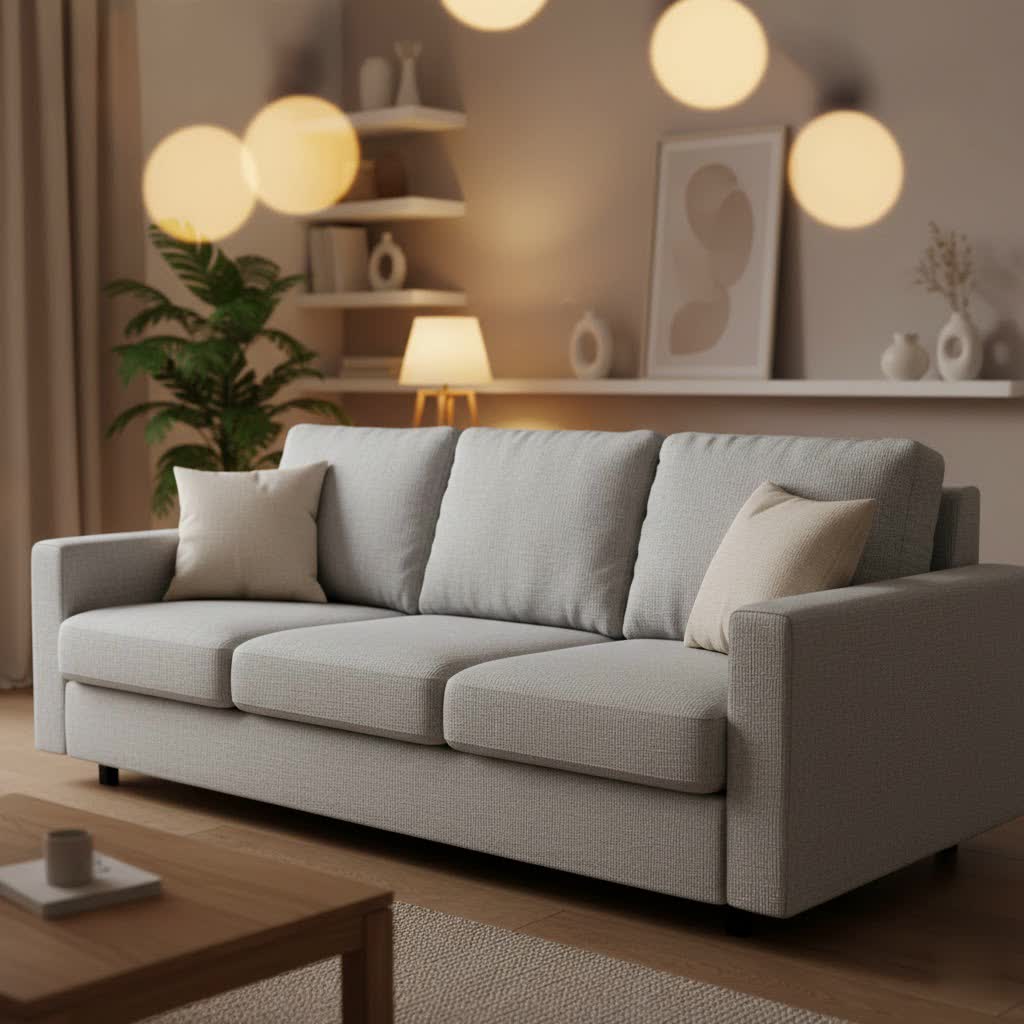
Is your beloved sofa looking a little tired, or perhaps struggling under the daily demands of family life, pets, or accidental spills? You’re not alone. Many homeowners face the dilemma of wanting to refresh their living space without the significant expense of buying a new sofa. This is where the magic of a Plush Sofa Cover comes comes in. More than just a protective layer, a plush sofa cover can instantly transform your furniture, infusing your room with warmth, comfort, and renewed style. This comprehensive guide will walk you through everything you need to know about selecting, caring for, and maximizing the benefits of a plush sofa cover, ensuring your living space remains both inviting and impeccable.
What is a Plush Sofa Cover? Why Do You Need One?
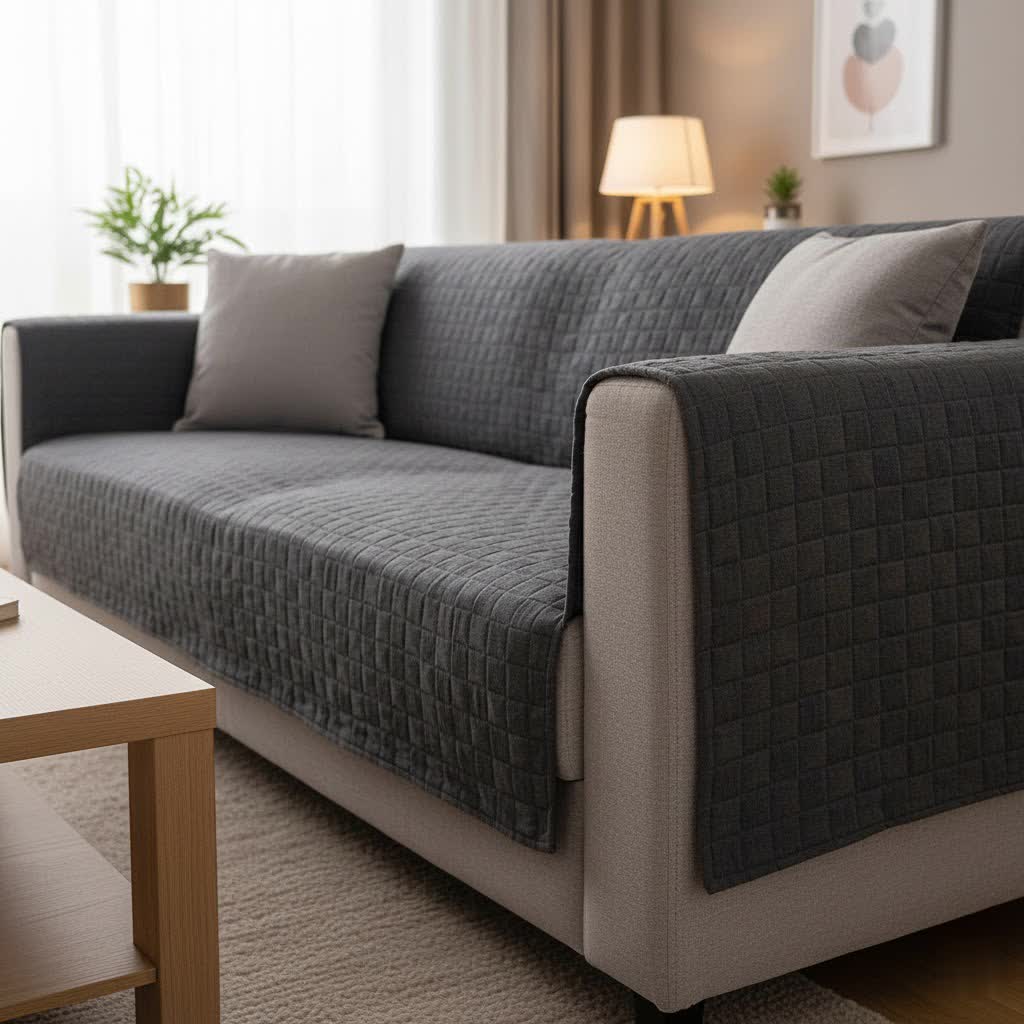
A plush sofa cover is essentially a soft, thick, and often luxuriously textured slipcover designed to drape over or snugly fit your existing sofa. Characterized by their incredibly soft touch and inviting appearance, these covers are crafted from materials that provide an immediate sense of comfort and coziness. They serve multiple vital functions, making them an indispensable accessory for any home.
The primary benefit of a plush sofa cover is its ability to protect your valuable furniture from daily wear and tear. This includes shielding it from spills, stains, pet hair, scratches, and fading due to sunlight. For households with children or pets, a durable and washable cover is a game-changer, extending the lifespan of your sofa and saving you from costly cleaning or replacement. Beyond protection, plush sofa covers offer an instant aesthetic upgrade. They allow you to easily change the look and feel of your living room, adapt to seasonal decor, or simply introduce a fresh color or texture without a major renovation. The inherent softness of plush materials also enhances the comfort of your sofa, making it an even more inviting spot for relaxation.
Without a sofa cover, your furniture is vulnerable to constant exposure, leading to premature aging, irreversible stains, and a perpetually worn appearance. Over time, fabric can thin, colors can fade, and the general cleanliness can decline, diminishing the overall appeal of your living space.
Popular Types of Plush Sofa Covers on the Market
The world of plush sofa covers is rich with variety, offering a range of materials and styles to suit every preference and need. Understanding these options is key to making an informed choice for your home.
Classification by Material
The material is paramount when it comes to plush sofa covers, dictating not only the feel but also the durability, appearance, and ease of care.
- Velvet: Renowned for its luxurious sheen and incredibly soft, dense pile, velvet instantly adds a touch of elegance and sophistication. It’s warm and inviting, making it ideal for creating a cozy ambiance. While often associated with high maintenance, many modern velvet sofa covers are made from synthetic blends that are surprisingly durable and easier to clean.
- Chenille: This material is characterized by its soft, fuzzy texture, resembling caterpillars, which is where its name originates. Chenille covers offer a wonderfully soft hand-feel and a subtle, iridescent shimmer. They are durable, typically resistant to pilling, and excellent at trapping warmth, making them perfect for comfortable lounging.
- Sherpa/Fleece: For ultimate softness and warmth, sherpa and fleece covers are unparalleled. Sherpa mimics the look and feel of sheep’s wool, with a deep, soft pile on one side and a smooth knit on the other, while fleece is known for its lightweight warmth and soft, napped surface. These covers are exceptionally cozy, making them perfect for colder climates or simply for creating a snug retreat.
- Microfiber/Polyester: Often blended, these synthetic materials are a workhorse in the sofa cover world. Microfiber is known for its ultra-soft, suede-like texture, exceptional durability, and stain resistance. Polyester blends, frequently engineered for stretch, offer a plush feel while being incredibly resilient, resistant to wrinkles, and easy to clean. They are particularly favored in homes with pets and children due to their hard-wearing nature and simple maintenance. Synthetic materials like polyester often outperform natural fibers such as cotton in terms of durability and maintaining a snug fit, as cotton can stretch and become baggy after use and washing.
|
Our Picks for the Best Sofa Cover in 2026
We may earn a commission when you use one of our links to make a purchase.
|
||
| Num | Product | Action |
|---|---|---|
| 1 | Easy-Going Reversible Couch Cover for 3 Cushion Couch Sofa Cover for Dogs Water Resistant Furniture Protector Cover with Foam Sticks Elastic Straps for Pet Cat (Sofa, Beige/Beige) |

|
| 2 | Easy-Going Reversible Couch Cover for 3 Cushion Couch Sofa Cover for Dogs Water Resistant Furniture Protector Cover with Foam Sticks Elastic Straps for Pet Cat (Sofa, Black/Beige) |
|
| 3 | Easy-Going Stretch Sofa Slipcover 1-Piece Sofa Cover Furniture Protector Couch Soft with Elastic Bottom for Kids, Polyester Spandex Jacquard Fabric Small Checks (Sofa, Brown) |
|
| 4 | Easy-Going Stretch Sofa Slipcover 1-Piece Sofa Cover Furniture Protector Couch Soft with Elastic Bottom for Kids, Polyester Spandex Jacquard Fabric Small Checks (Sofa, Beige) |
|
| 5 | Easy-Going Stretch Sofa Slipcover 1-Piece Sofa Cover Furniture Protector Couch Soft with Elastic Bottom for Kids, Polyester Spandex Jacquard Fabric Small Checks (Sofa, ASH Rose) |
|
| 6 | Easy-Going Reversible Couch Cover for 3 Cushion Couch Sofa Cover for Dogs Water Resistant Furniture Protector Cover with Foam Sticks Elastic Straps for Pet Cat (Sofa, Gray/Light Gray) |
|
| 7 | Easy-Going Stretch Sofa Slipcover 1-Piece Sofa Cover Furniture Protector Couch Soft with Elastic Bottom for Kids, Polyester Spandex Jacquard Fabric Small Checks (Sofa, Dark Gray) |
|
| 8 | Easy-Going Reversible Couch Cover for 3 Cushion Couch Sofa Cover for Dogs Water Resistant Furniture Protector Cover with Foam Sticks Elastic Straps for Pet Cat (Sofa, Army Green/Beige) |
|
| 9 | Easy-Going Stretch Sofa Slipcover 1-Piece Sofa Cover Furniture Protector Couch Soft with Elastic Bottom for Kids, Polyester Spandex Jacquard Fabric Small Checks (Sofa, Bluestone) |
|
| 10 | Easy-Going Stretch Sofa Slipcover 1-Piece Sofa Cover Furniture Protector Couch Soft with Elastic Bottom for Kids, Polyester Spandex Jacquard Fabric Small Checks (Sofa, Black) |
|
Each material offers a unique set of advantages and disadvantages in terms of price, aesthetic, and functional properties. Consider your lifestyle, existing decor, and budget to determine the best fit.
Classification by Style
Beyond material, sofa covers come in various designs and fits, each offering a different aesthetic and level of convenience.
- One-piece/Universal Covers: These covers are designed to drape over the entire sofa, offering a relatively loose and relaxed fit. They are highly versatile and can accommodate a wide range of sofa shapes and sizes, making installation straightforward. While they may require occasional tucking to maintain their appearance, they offer an effortless way to refresh your sofa’s look.
- Stretch/Form-fitting Covers: Crafted from highly elastic fabrics, these covers are designed to hug the contours of your sofa for a more tailored and custom-like appearance. They often feature elasticized hems or tie straps to ensure a snug fit and prevent shifting. Stretch covers are excellent for achieving a sleek, modern look and are especially good at staying in place, even with active use.
- Sectional/Multi-piece Covers: For L-shaped sofas, U-shaped sofas, or other modular configurations, multi-piece covers provide the best fit. These sets typically include separate covers for each section of the sofa, as well as individual cushion covers. This design allows for a much more precise and custom fit, ensuring that each part of your sectional is protected and looks cohesive.
- Reversible Covers: Many plush sofa covers offer a reversible design, featuring a different color or pattern on each side. This allows for quick and easy style changes, offering two distinct looks from a single cover, perfect for adapting to seasons or moods.
The choice of style often depends on your sofa’s shape, your desired aesthetic, and how much effort you’re willing to put into installation and maintenance.
Comparative Table of Plush Sofa Covers
To help you navigate the options, here’s a comparative overview of popular plush sofa cover types:
| Feature | Velvet | Chenille | Sherpa/Fleece | Stretch Microfiber (Polyester) |
|---|---|---|---|---|
| Aesthetic | Luxurious, rich | Cozy, textured, soft | Ultra-cozy, fluffy | Smooth, modern, clean |
| Touch | Smooth, dense | Soft, fuzzy, warm | Deep pile, warm | Soft, suede-like |
| Durability | Good | Very good | Good | Excellent |
| Stain Resistance | Moderate | Good | Moderate | Very good |
| Ease of Cleaning | Moderate (spot clean/machine wash if specified) | Easy (machine wash) | Easy (machine wash) | Very Easy (machine wash) |
| Best Use Case | Elegant spaces, warmth | Family rooms, comfort | Cold weather, ultimate coziness | High-traffic areas, pets, kids |
| Price Range | Mid to High | Mid | Mid | Low to Mid |
This table highlights the key differentiators, allowing you to quickly compare and contrast based on your priorities.
Buying Guide: How to Choose the Right Plush Sofa Cover
Selecting the perfect plush sofa cover involves more than just picking a color you like. A few critical considerations will ensure you find a cover that fits well, looks great, and meets your functional needs.
Accurately Measuring Your Sofa
The most crucial step is to get precise measurements of your sofa. A well-fitting cover not only looks better but also stays in place and provides effective protection.
- Width: Measure the total width of your sofa from arm to arm, including the armrests.
- Length (Depth): Measure from the front edge of the seat to the back of the sofa, then from the top of the backrest down to the floor at the back, and from the front edge of the seat down to the floor at the front. These measurements help ensure adequate drape.
- Height: Measure from the floor to the highest point of the sofa’s backrest.
- Armrests: Note the width and height of your armrests, as some covers are designed with specific arm shapes in mind.
- Special Shapes: If you have an L-shaped, U-shaped, or reclining sofa, you’ll need to measure each section individually. Often, multi-piece or sectional covers are required for these designs.
- Important Tip: Always consult the manufacturer’s sizing guide. If your measurements fall between two sizes, it’s generally best to size up. Extra fabric can often be tucked securely into cushion creases for a more tailored and snug appearance, whereas a too-small cover simply won’t fit.
Matching Material and Style to Your Needs
Once you have your measurements, consider the practical and aesthetic aspects that will guide your choice of material and style.
- Budget: Plush sofa covers vary widely in price. Determine your budget before you start shopping to narrow down your options.
- Interior Design: The cover should complement your existing decor. Consider the color palette, patterns, and overall style of your room. Velvet adds luxury, sherpa enhances coziness, and stretch microfiber offers a sleek, modern look.
- Household Needs:
- Pets and Kids: Opt for durable, stain-resistant, and machine-washable materials like microfiber, polyester blends, or chenille. Look for covers with anti-slip features.
- High Traffic: Choose resilient materials that can withstand frequent use.
- Allergies: Hypoallergenic materials can be a consideration for sensitive individuals.
- Seasonal Use: For colder months, a thick sherpa, fleece, or velvet cover adds warmth. In warmer climates or seasons, lighter but still plush options like a breathable chenille blend might be preferred.
- Non-Slip Features: To prevent your cover from constantly shifting, look for designs with elasticized hems, adjustable straps, tie-downs, or a silicone-dotted anti-slip backing. These features are critical for maintaining a neat appearance and ensuring the cover stays in place.
Reputable Brands and Suppliers
While I cannot recommend specific brands here, generally, look for retailers that:
- Have clear sizing charts and detailed product descriptions.
- Offer a good return policy.
- Provide customer reviews and photos.
- Specialize in home textiles or furniture accessories.
Investing in a slightly higher-priced cover from a reputable supplier often translates to better quality, durability, and a more accurate fit.
Cleaning and Maintenance for Your Plush Sofa Cover
Proper care will significantly extend the life and beauty of your plush sofa cover, keeping it looking fresh and feeling soft. Most plush covers are designed for easy maintenance, but it’s essential to follow specific guidelines.
How to Clean Your Plush Sofa Cover at Home
The vast majority of modern plush sofa covers are machine washable, making them a practical choice for busy households.
- Read the Care Label: This is the golden rule. Always check the manufacturer’s specific washing instructions first, as materials like delicate velvets might require different care than a sturdy polyester blend.
- Pre-Treat Stains: For spills or tough spots, pre-treat with a mild stain remover before washing. Always test the remover on an inconspicuous area first.
- Machine Wash:
- Turn the cover inside out to protect the plush surface.
- Use a gentle cycle with cold or lukewarm water to prevent shrinking or damage to delicate fibers.
- Use a mild, color-safe detergent. Avoid bleach or harsh chemicals unless explicitly stated on the care label, as these can strip color and damage fabric.
- Wash Separately: To avoid lint transfer or damage, wash your sofa cover separately from other laundry items.
Tips for Extending Longevity
Beyond regular cleaning, a few habits can help preserve your cover’s plushness and structural integrity.
- Drying: Air drying is often the safest option, especially for delicate fabrics, as it minimizes the risk of shrinkage or heat damage. If using a dryer, select a low heat or air-fluff setting. High heat can damage elastic fibers, alter the texture, or cause shrinkage.
- Avoid Ironing: Most plush materials do not require ironing. If wrinkles are a concern, a low-heat steamer or simply allowing the cover to air dry smoothly will suffice. Ironing can flatten the pile of plush fabrics and damage synthetic fibers.
- Rotate and Fluff: Regularly fluff cushions and reposition your cover to distribute wear evenly.
- Proper Storage: If you swap covers seasonally, ensure your off-season cover is clean and completely dry before storing it in a breathable bag or container. This prevents mildew and keeps it fresh for next use.
Top Plush Sofa Covers for Your Home
While specific product recommendations are outside the scope here, let’s explore types of plush sofa covers that are consistently popular for their quality, comfort, and aesthetic appeal.
- Ultra-Soft Velvet Slipcovers: These covers continue to be a top choice for those seeking to infuse their living space with a touch of luxury. Available in a spectrum of rich jewel tones and sophisticated neutrals, modern velvet slipcovers often feature a good stretch for a snug fit and are surprisingly durable, resisting everyday wear while providing an incredibly soft touch. They are excellent for elevating a room’s decor and creating a focal point.
- High-Stretch Chenille Sectional Covers: For complex sofa shapes like L-sections or modular designs, high-stretch chenille covers are highly sought after. Their textured, soft surface adds depth and warmth, while the excellent elasticity ensures a smooth, tailored fit across multiple sofa pieces and cushions. These are particularly great for active family homes, offering both style and robust protection.
- Cozy Sherpa and Fleece Throw-Style Covers: Perfect for an instant comfort boost, sherpa and fleece covers often come in versatile throw-like styles or more fitted designs. Their signature fluffy texture is ideal for creating a super cozy atmosphere, especially during colder months. They are typically very easy to clean and highly durable, making them a favorite for casual, comfortable living spaces.
- Durable Microfiber Pet-Friendly Slipcovers: Engineered for resilience, microfiber plush covers are a go-to for pet owners and busy households. They combine a soft, suede-like feel with exceptional stain and water resistance. Often equipped with anti-slip backings and elastic straps, these covers stay firmly in place, providing robust protection against pet hair, claws, and spills without compromising on comfort or style.
These popular styles demonstrate how plush sofa covers can cater to a wide range of aesthetic preferences and practical needs, all while delivering that signature soft, inviting feel.
Conclusion
A plush sofa cover is an intelligent and stylish investment for any homeowner looking to protect their furniture, refresh their decor, or simply enhance the comfort of their living space. From the luxurious embrace of velvet to the practical resilience of microfiber, there’s a plush option perfectly suited for every home and lifestyle. By understanding the different materials, styles, and essential buying considerations, you can confidently choose a cover that not only fits your sofa perfectly but also transforms your room into a haven of warmth and inviting style.
Ready to give your sofa a plush makeover? Which type of plush sofa cover will you choose to elevate your home’s comfort and style?
Câu Hỏi Thường Gặp
What is the best material for a plush sofa cover?
The “best” material depends on your priorities. For luxury and warmth, velvet or chenille are excellent. For durability, stain resistance, and ease of cleaning, especially with pets and kids, microfiber or polyester blends are often superior choices due to their resilience and stretch.
How do I measure my sofa for a cover?
Measure the total width (arm to arm), total depth (front to back, including top and front drape to floor), and height. Always consult the product’s sizing chart. If between sizes, it’s generally recommended to size up, as excess fabric can be tucked in for a better fit.
Can plush sofa covers be machine washed?
Most modern plush sofa covers, especially those made from synthetic materials like microfiber, polyester, chenille, or fleece, are machine washable. Always check the specific care label for instructions, using a gentle cycle with cold water and a mild detergent to preserve fabric quality.
Are plush sofa covers good for homes with pets?
Yes, plush sofa covers are excellent for homes with pets. Many are designed with durable, tightly woven, and stain-resistant materials like microfiber or chenille that can withstand pet hair and minor accidents. Look for covers with anti-slip features to keep them in place.
How do I keep my plush sofa cover from sliding?
To prevent sliding, choose covers with anti-slip features such as elasticized hems, built-in straps, tie-downs, or silicone-dotted backings. Regularly tucking the cover deep into the cushion creases and using foam tucking strips can also help secure it in place effectively.